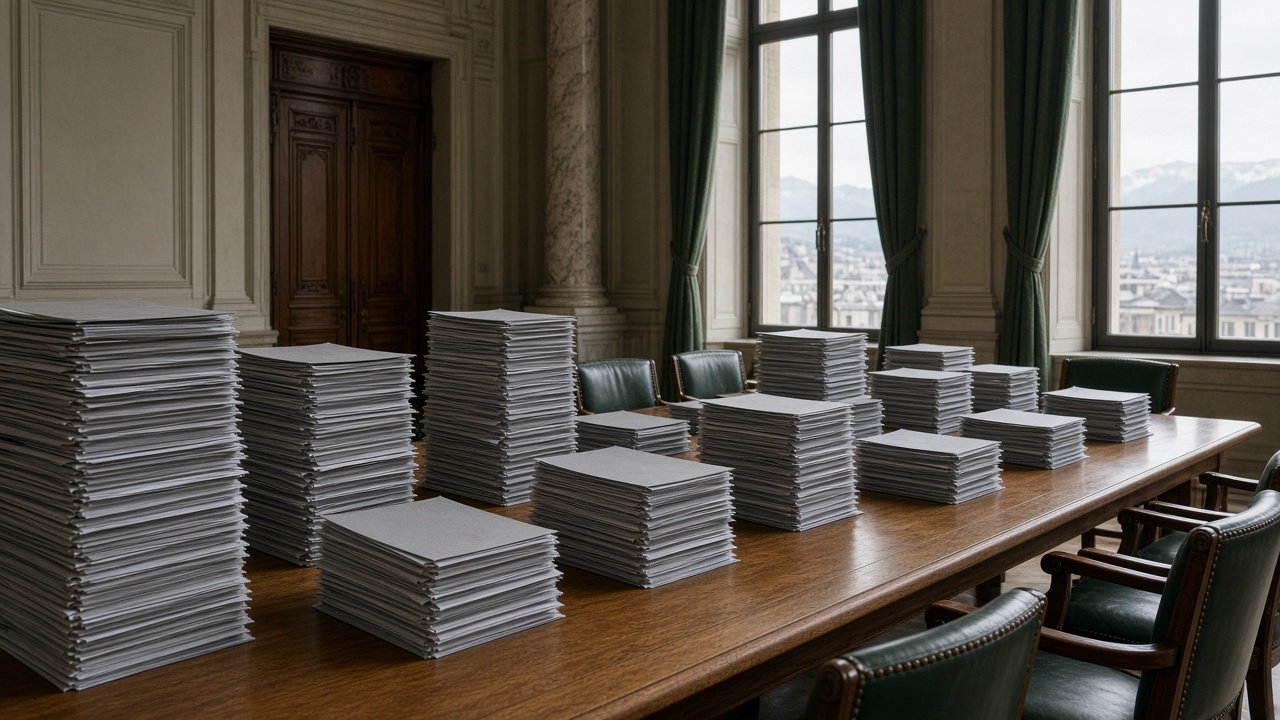
BERN. The federal parliament has never filed as many formal proposals as it has this year, the SonntagsZeitung reports. About 2,900 motions and other interventions have already gone in. The winter session is expected to add several hundred more. The language services, which must put every text into the other national languages, are overloaded. They are turning down translation work from federal offices so they can keep up with parliament. One reason the paper gives for the flood is artificial intelligence, which has cut the effort of writing a proposal and the effort of drafting a reply. The same report says the cause is more often political than technical.
Both halves can be true. A tool that makes a two-page postulate easier will be used by members who already wanted another postulate. It does not, by itself, create the wish. The wish is the point the paper insists on. Parties file motions to show their voters they are busy, to force a minister to answer, and to park an argument until the next election. Software lowers the price of that habit. It does not explain why the habit paid, in votes and in headlines, before anyone in Bern had a chatbot.
What the pile costs
A figure used in the same debate puts the average cost of handling one parliamentary proposal at CHF 6,120. Applied to about 2,900 items, that is roughly CHF 17.7 million so far this year, before the winter session adds its share. It is an average, not an invoice for each text. A one-line question is cheaper than a postulate that asks for a new law. The average is still the right order of magnitude for a parliament that is producing paper faster than the administration can translate it.
The cost that does not appear in the franc figure is time. A language service that refuses federal offices is a language service that has stopped doing the rest of the state's multilingual work. A reply that sits in a queue is a reply a member can say has been ignored. The flood creates the grievance it then campaigns on.
What the winter session should not pretend
The winter session opens with a 2027 budget the finance committee has already rejected, and with the usual end-of-year crush. Adding several hundred more texts on top of 2,900 is a choice about what parliament is for. If the point is to get answers, members already have more answers than the translators can prepare. If the point is to be seen filing, the machine is working exactly as its users intend.
A reader who wants a test, when a new proposal appears this winter, can ask three questions. Did a person write the demand, or did a tool expand a slogan into articles. Does the demand need a new law, or a press release. And who will read the reply in the language they actually speak, given that the translators are already saying no to other work. The record is real. The intelligence, artificial or political, is not a substitute for that last question.