ZURICH. Swiss consumer prices rose 1 per cent in September compared with a year earlier, the Federal Statistical Office said on Thursday, the fastest annual rate since the spring and up from 0.8 per cent in August. Month on month, the consumer price index was unchanged.
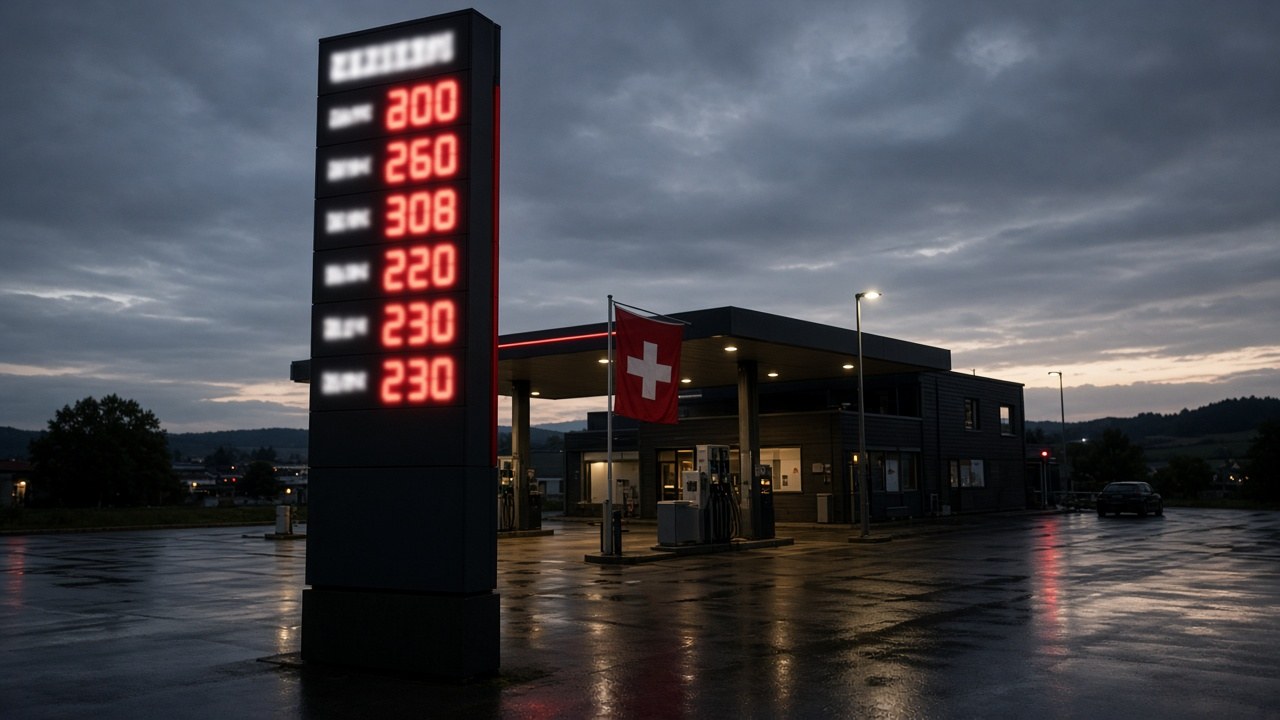
The driver is fuel. Heating oil cost 65 per cent more than a year ago, diesel 28.7 per cent more and petrol 19.9 per cent more, increases the statisticians link directly to the war in the Middle East and the resulting surge in crude prices. No other category came close to moving the headline number.
The reading landed exactly where forecasters expected. Economists surveyed ahead of the release had predicted an annual rate between 0.7 and 1.2 per cent, and a monthly change between minus 0.3 and plus 0.2 per cent. Both came in inside the range, which is another way of saying that nobody at the SNB will have been surprised.
Imported inflation, domestic calm
The pattern matters more than the level. Inflation stood at 0.6 per cent in May and has climbed steadily since, almost entirely on imported energy. Domestic prices, from rents to services, remain contained. The National Bank’s own quarterly bulletin, published after its September decision, describes the same split: imported inflation rising markedly on oil products, longer term expectations anchored inside the 0 to 2 per cent price stability band.
The franc is doing part of the work. It has weakened since mid-June, trading near 0.94 against the euro and 0.84 against the dollar this week, which makes imports dearer but exports easier. The SNB held its policy rate at zero on 24 September and nudged its inflation forecast higher, a combination traders read as a door left open to a first rise in December.
For households the arithmetic is immediate. Anyone heating with oil faces a winter bill nearly two thirds higher than last year’s, and the pump price of petrol has risen by a fifth in twelve months. Against that stands the broader picture: even at 1 per cent, Swiss inflation remains among the lowest in Europe, and wage settlements this year have mostly kept pace.
December in play
The rate question now turns on whether energy inflation spreads. “The pass-through from crude to the pump is fast in Switzerland,” one Zurich based economist said on Thursday. “The pass-through to everything else is mercifully slow.” A second consecutive reading at or above 1 per cent, due when the October figures land in early November, would strengthen the case for moving in December. Markets currently price that outcome as a coin toss.
The underlying economy gives the SNB room in both directions. Second quarter growth was exceptionally strong, flattered by the chemicals and pharmaceuticals industry, and the bank expects expansion of 1.5 to 2 per cent for 2026 as a whole. A central bank that expects solid growth and rising imported inflation can justify a rise. One that fears an energy shock fading by spring can justify waiting.
The next marker is the October reading, then the quarterly assessment in December. Between the two sits the budget season in Bern and the first full winter of heating bills since the Middle East escalation. The number that matters to most households is no longer the policy rate. It is the price on the heating oil delivery note.