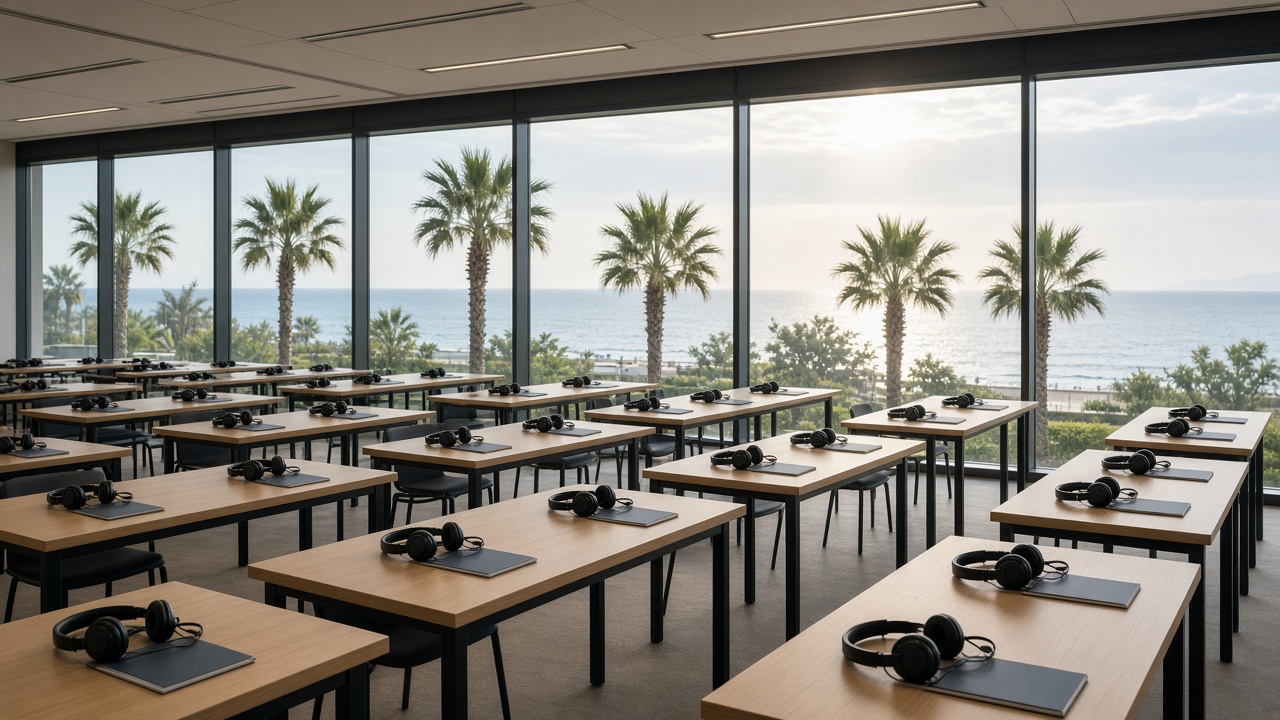
ANTALYA. Switzerland expects a hard second week at the UN climate conference in Antalya. Felix Wertli, who leads the Swiss delegation, told the Keystone-SDA news agency that a willingness to work together is noticeable, and that the decisive phase is still ahead. The remark, reported on Sunday, is the standard shape of a climate summit at the midpoint: the first week builds text, the second week is where ministers discover which sentences their capitals will actually sign.
Wertli did not claim a breakthrough, and he did not claim a collapse. The useful content of the comment is the warning. Cooperation in the room is not the same as agreement on money, on who cuts what, or on how a pledge is checked. Those are the files that usually wait until the second week, because they are the files officials cannot close alone.
What a Swiss delegation is there to do
Switzerland negotiates as a rich, small, non-EU country with a domestic climate law, a financial centre and no large fossil-fuel industry of its own. That mix puts Bern in the arguments about climate finance, carbon markets and the rules for counting cuts, more than in the arguments about oil production. A hard second week, in Wertli’s phrase, usually means those rule books, not a new national target announced from Antalya.
The domestic link is the 29 November ballot paper at home, which does not include a climate initiative this time but does include fights, on arms and on the pension tax, that already occupy the Federal Council. Climate diplomacy does not pause for a Swiss vote. It does compete for ministerial attention. A delegation leader’s job in week two is to know which concessions Bern has already authorised and which ones would need a fresh call home.
How to read the week ahead
The pattern at these conferences is that Sunday’s caution is more reliable than Saturday’s draft. Texts thicken, brackets multiply, and a deal, if it comes, comes late. Readers in Switzerland should treat any midweek claim of “agreement in principle” as a headline about a heading, not about a number. The number that matters is the one attached to finance, to a deadline, or to a review. Wertli’s point is that those numbers are not settled.
What households can use is narrower than the communique. A hard negotiation in Antalya does not change a Swiss heating bill on Monday. It can change the international rules under which Swiss firms buy foreign emission cuts, and the pressure on Bern the next time the CO2 law is revised. The weather at home this Sunday is a mild, cloudy 10 degrees, not a climate headline. The climate headline is the one Wertli filed from Antalya: the cooperative mood is real, and the decisions are not made yet.