ZURICH. Not long ago, a Swiss feature selected for a major festival was treated as an act of diplomatic politeness, a compliment to a country admired for financing culture rather than exporting it. The compliment has become unnecessary. Over the past three seasons, Swiss features and documentaries have sold to more than forty territories, and the domestic share of the box office for homegrown productions has reached levels not recorded since the 1970s.
The change is most visible in the work itself. A cohort of directors in their thirties, many of them graduates of the Zurich University of the Arts and the film schools of Geneva and Lausanne, is making films rooted in recognisably Swiss places: a housing estate outside Fribourg, a valley village above the fog line, a night bus crossing the Jura. Yet the stories travel, because the anxieties they dramatise, about work, family and belonging, are not unique to the Confederation.
The foundations were laid quietly. The funding reform of the early 2010s tied support more closely to audiences, while regional funds such as Cinéforom in the Romandie and the Zürcher Filmstiftung gave producers a second and third door to knock on. Then came the decisive turn: the 2022 referendum obliging global streaming platforms to reinvest four per cent of their Swiss turnover in local production, a levy that began flowing into budgets two years later.
The sums remain modest by international standards, and that is part of the point. A typical Swiss feature still costs between two and three million francs, a fraction of a mid-range French production, which forces a discipline that critics have learnt to recognise as a style. Success-based funding now rewards films that find real audiences, and a cinema ticket at around nineteen francs has proved a price Swiss audiences will still pay for their own stories.
The institutions around the films have matured in step. Producers in Zurich, Geneva and Lausanne now assemble co-productions with partners in Germany, France and Italy as a matter of routine. Distributors such as trigon-film and Filmcoopi have built loyal arthouse audiences, while the Solothurn Film Festival each January has become the confident shop window of the national industry, the place where the year in Swiss cinema is effectively announced.
The reaction abroad has shifted from indulgence to appetite. Swiss titles have taken prizes at Berlin and Cannes sidebars, and sales agents who once struggled to place a Swiss drama now report bidding interest from streaming buyers. Several of this year's titles were picked up for remake rights before their Swiss premieres. At home, the more telling change is in the audience: younger cinemagoers, raised on global platforms, are turning up for subtitled stories set two tram stops away.
The mood among producers is buoyant rather than triumphalist. “We no longer apologise for the accent or the scale,” says one Zurich producer, a line that has become something of a motto. The caution is justified: hits remain uneven, and for every breakout there are quiet releases that vanish within a fortnight. What has changed is the floor, not the ceiling.
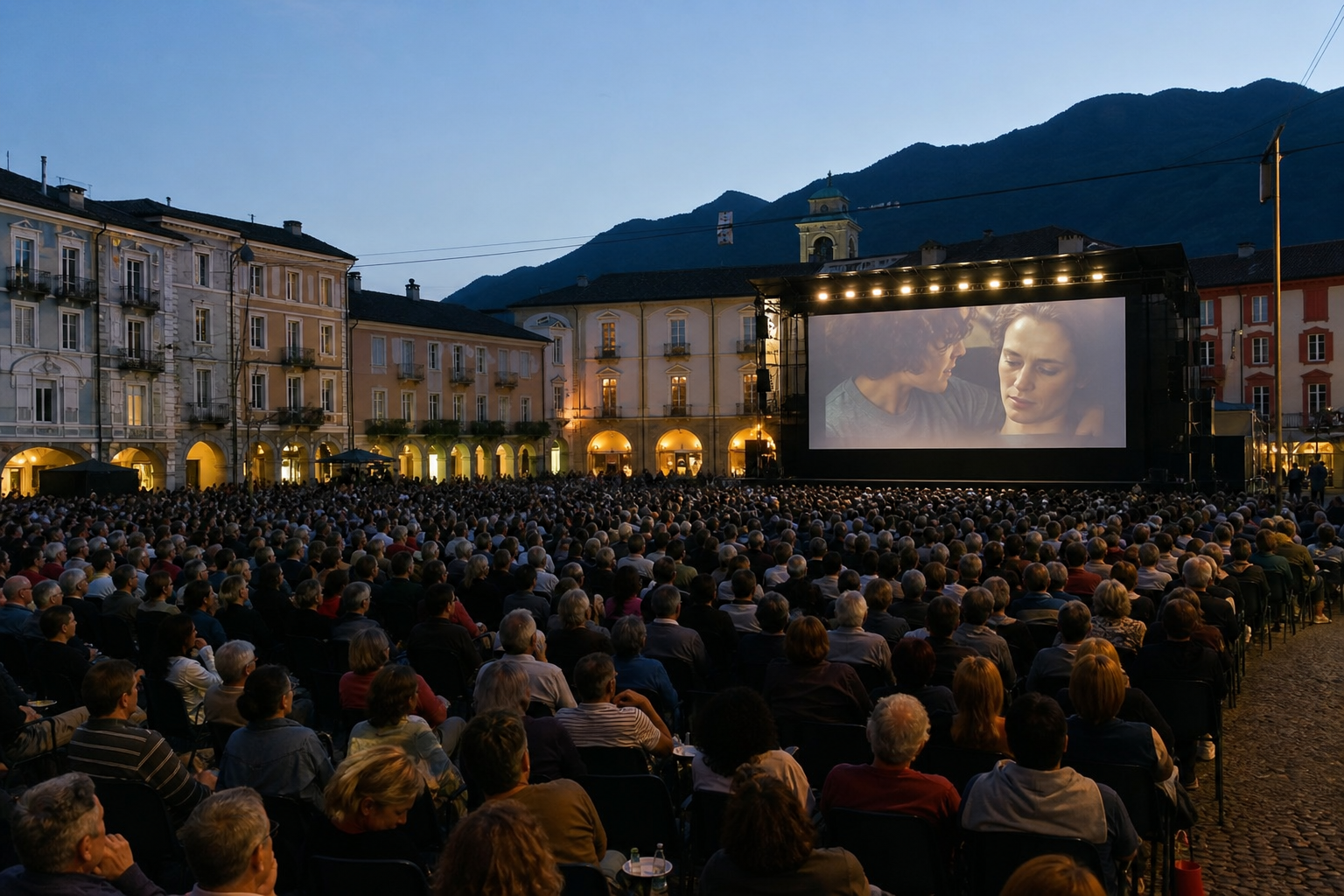
The revival is conspicuously cross-linguistic. Romandie directors are premiering in Zurich, Zurich crews are shooting in Ticino, and the old Röstigraben matters less to a generation that subtitles everything anyway. Italian-speaking Switzerland, long overshadowed, has found its own route through Locarno's industry platforms, which now feed Ticinese projects directly to European funds.
The coming season will test the depth of the bench. Solothurn's next edition is expected to field the strongest first-feature competition in years, the streamers' levy money is commissioning its first full slate of series and features, and the Federal Office of Culture has signalled that production support will hold steady through the next funding period.
The wider significance reaches beyond cinema. Small countries from Denmark to Wales have shown that a confident screen culture can carry a national conversation abroad, and Switzerland, with four languages and a stubborn federalism, has more stories than most. Film has become the one art form in which the country's internal variety reads as richness rather than complication.
On a wet Thursday in Zurich, the queue outside the Kino Houdini still stretches down Badenerstrasse for a Swiss premiere. Inside, the director takes questions in two languages and answers a third. It is an ordinary evening now, which is perhaps the most extraordinary thing about it.