BERN. Eleven days before Switzerland votes, the final trend poll of the neutrality campaign has landed, and it reads like a verdict. The second SRG survey, conducted by the gfs.bern research institute and published on Wednesday morning, puts opposition to the neutrality initiative at 63 per cent, support at 34 per cent, with 3 per cent undecided. If the numbers hold, 27 September will not be a defeat for the Yes camp. It will be a rout.
The direction of travel matters as much as the level. In the first SRG poll in mid August, opposition stood at 54 per cent against 42 per cent in favour. It has since hardened by nine points, following the familiar pattern of Swiss initiatives that lose altitude once the main campaign begins and voters hear the arguments in full. The electorate is not merely leaning No. It is settling: 83 per cent of those intending to vote say their decision is firm, with 55 per cent certain to reject, up twelve points, and 28 per cent certain to support, down two.
The poll was conducted by telephone between 2 and 9 September among 12,916 eligible voters across the three main language regions, with a statistical margin of error of plus or minus 2.8 points. Voting intentions among the Swiss Abroad, a constituency the Pro Suisse committee courted heavily, sit close to the domestic figures. A separate final survey published this week by the LeeWas institute points in the same direction, putting rejection even higher, at 68 per cent.
The argument battle explains the gap. Seventy per cent of respondents cite the preservation of international security cooperation as their reason to vote No, and 69 per cent name the flexibility of the current neutrality policy. More than two thirds agree that writing a strict, sanctions shy definition of neutrality into the constitution would weaken Switzerland’s security rather than protect it. The Yes camp’s core claim, that neutrality must be fixed in stone because politicians cannot be trusted with it, has not found a majority anywhere outside its own base.
Expectations have converged with intentions. Seventy three per cent of voters now expect the initiative to fail, up from 59 per cent a month ago. gfs.bern puts projected turnout at 49 per cent, slightly above the long term average, which suggests an electorate that is engaged but not torn. Campaigns that trail by this margin, this late, do not recover in Swiss referendum history, and both sides privately concede the shape of the evening.
The initiative, launched by the Pro Suisse association, would write perpetual and armed neutrality into the constitution and confine Swiss sanctions to those decided by the United Nations Security Council, where the United States, China and Russia hold vetoes. It was born of the fury over Bern’s 2022 decision to mirror European Union sanctions on Russia. Last week the European Parliament’s foreign affairs committee warned that a Yes would strain relations precisely over that point.
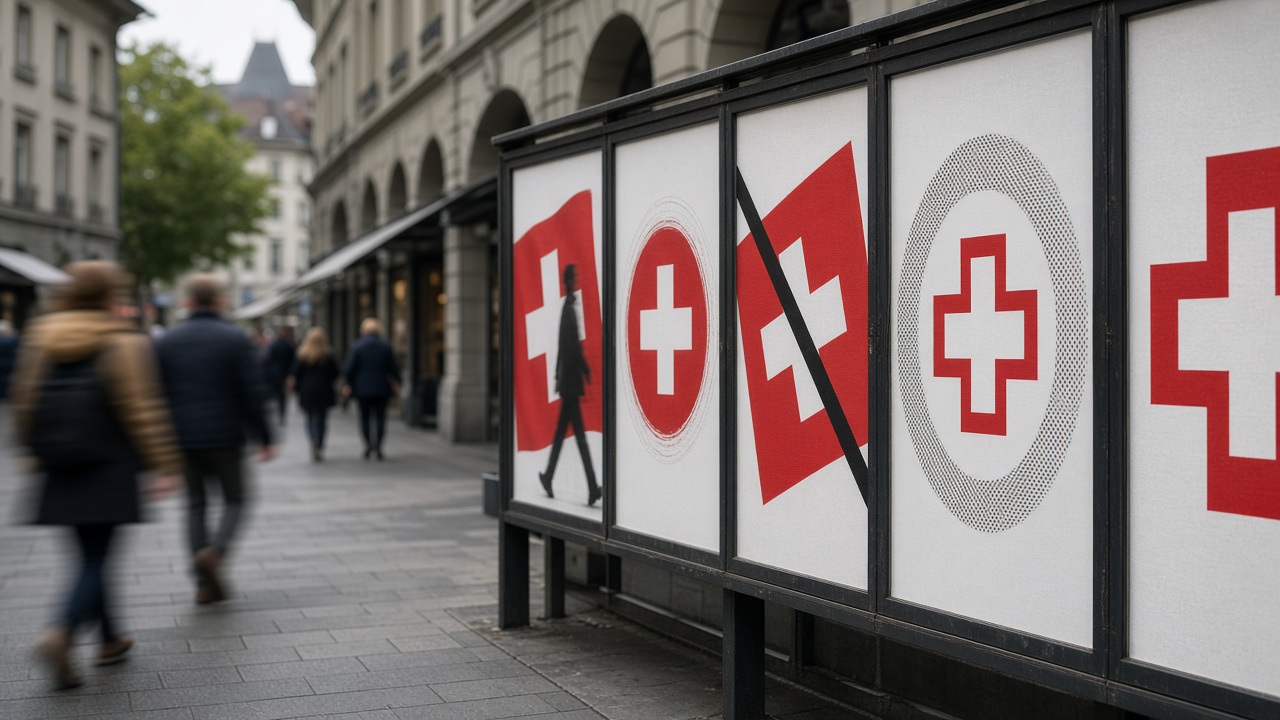
None of it has been quiet. The Yes camp has outspent its opponents roughly two to one, and its posters still cover the hoardings between every station and every communal hall. But the spending has bought visibility rather than movement. Postal ballots are already flowing back to communal offices, and the return envelopes arriving now are voting in a race the pollsters believe was effectively settled in August.
The Pro Suisse committee answered the poll on Wednesday morning with the defiance of a camp that has read the same numbers. Polls, it said, underestimated support for sovereignty in the privacy of the ballot box, and the only survey that counts opens on 27 September. The No committee, backed by the Federal Council and a broad alliance of parties and business groups, urged voters not to treat the result as decided, the standard precaution of a frontrunner protecting turnout.
The consequences arrive in sequence. The country votes on Sunday week. The result is known by the evening. The next morning, the Council of States opens its three day debate on the EU treaty package, a file whose politics become measurably easier if neutrality has just been rejected by a double digit margin. The second proposal on the ballot, the food security initiative, is also trailing heavily. The posters are bought, the envelopes are coming back, and the argument ended weeks ago.