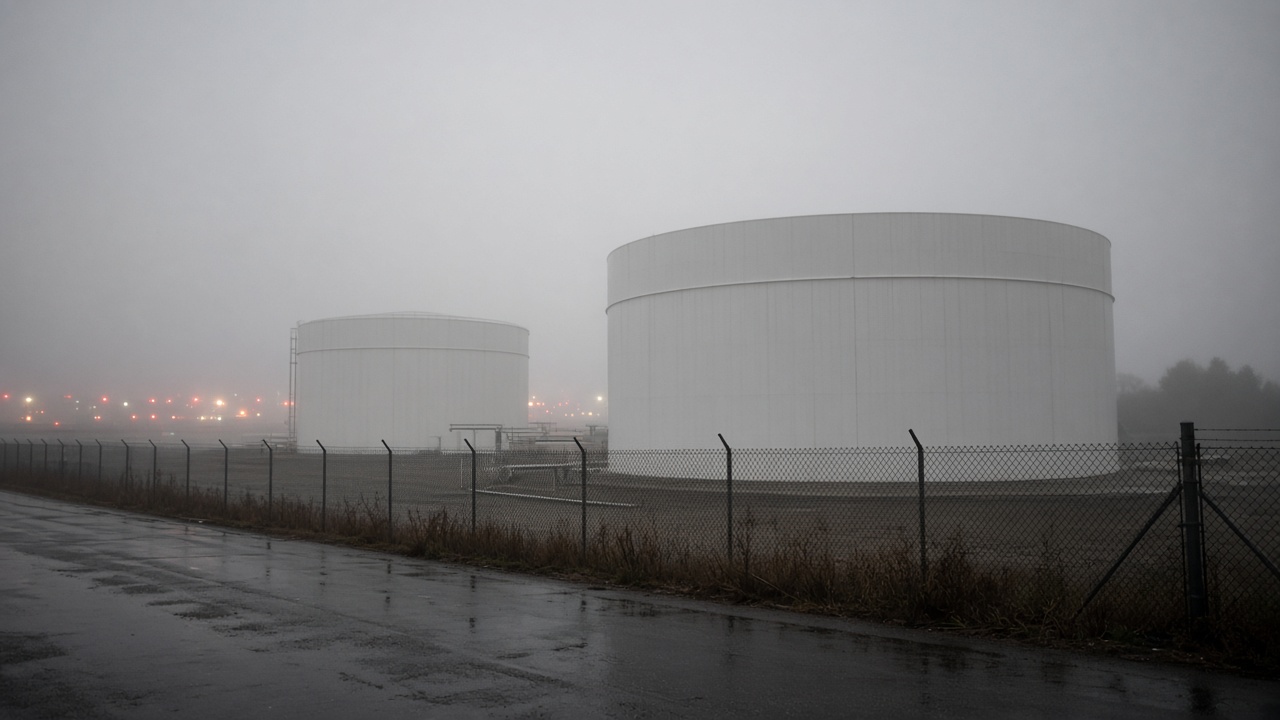
BERN. Switzerland will keep drawing jet fuel from compulsory reserves after 30 November, because airport tanks are low and the temporary release already in force is about to expire. The Federal Office for National Economic Supply said on Tuesday that kerosene supply remains tight. European refineries are delivering less, transport capacity is limited, and operational stocks at Swiss airports are very low. A new ordinance of the Department of Economic Affairs, Education and Research takes effect on 30 November so that further withdrawals can be authorised quickly.
The current permissions, signed by the national supply delegate Roland Pfister, run from 15 October to 29 November. Under that temporary shortfall he has been able to release about 18 per cent of compulsory kerosene stocks. His own ceiling is 20 per cent. The office said that room is essentially used up. December demand is expected to rise after the usual November dip, while the fuel already sitting at the airports is not enough to meet it. Zurich is fed mainly by rail from Germany. Geneva is fed by pipeline from France. The railway is at its limits, with cancellations and delays, and European refineries and pipelines are under the same strain.
What a firm has to do to take the fuel
From 30 November, requests go to the energy division of the national supply organisation. Fuel that is released has to be sold on the Swiss market. Holders of compulsory stocks must record stock movements and report them. The head of the department will repeal the ordinance once supply is no longer critical. That is a different legal tool from Pfister’s temporary shortfall: the delegate was nearing a statutory cap, and the department has written a fresh basis so the taps do not close on Sunday night.
The office’s supply bulletin, updated in mid-November, put kerosene cover at about 76 days, against a 90-day target. In the window from 3 to 29 November it had authorised 50,000 cubic metres and, by 13 November, 33,000 had been drawn. Those figures describe a stockpile that is already below its target and still being used. Heating oil is under a separate release, open until 6 December, after low water on the Rhine. Petrol supply is described as secure. Heating oil is tight. Kerosene is the product the airports cannot wait on.
Flights, and a ban on sending the fuel abroad
The rule that released fuel stays in Switzerland is there to stop the stockpile becoming someone else’s supply. Airlines have limited room to tanker extra fuel into Zurich or Geneva anyway: extra kerosene is extra weight, and European rules, which Switzerland applies, already expect most of a flight’s fuel to be loaded at departure. A shortage dispensation exists, and the Federal Office of Civil Aviation is the Swiss authority for it. None of that fills a tank that the railway did not deliver.
For passengers the question is blunter than the ordinance. The government is not announcing cancellations. It is announcing that compulsory stocks, which exist for a crisis, are being used so that ordinary December flying can continue. The test of the 30 November ordinance is whether refineries and trains catch up before those stocks, already at 76 days against a 90-day aim, are asked to carry the season on their own.