BERN. It shares a ballot with the loudest referendum of the year and almost none of its noise. The food security initiative, the second proposal before voters on 27 September, is fighting its final fortnight with an unusual ally: the weather. After the hottest and driest summer since records began, the campaign for Swiss self sufficiency is closing on the argument that the drought proved its point.
The summer’s numbers are now part of the campaign literature. April to July brought 54 per cent of normal rainfall, milk rose four rappen and potatoes two, and the Farmers’ Union puts losses at CHF 522 million, with half the grain maize harvest gone and hay, the crop that carries cows through winter, down 40 per cent. Bern opened the compulsory fodder reserves for only the second time ever.
The initiative asks voters to write food security into the constitution with a number attached: within ten years, at least 70 per cent of the food consumed in Switzerland should be produced domestically, against about 46 per cent net today. Getting there, the text says, requires shifting production from animal based to plant based food, protecting drinking water, soil fertility and biodiversity, and holding agriculture to binding environmental limit values.
The woman behind it is Franziska Herren, the environmental campaigner whose drinking water initiative failed at the polls in 2021. This proposal, submitted in August 2024 with 112,736 valid signatures, is broader and better timed. Its core arithmetic is simple: nearly 60 per cent of Swiss agricultural land grows feed for animals, and growing food crops on that land could feed several times more people from the same hectares.
Almost the entire political establishment disagrees. The Federal Council, both chambers and every major party recommend a No. The Farmers’ Union, whose members the initiative claims to protect, calls the 70 per cent target unreachable without telling farmers what to grow and consumers what to eat. Its campaign literature has settled on a phrase the Yes camp has not managed to shake: a state mandated menu.
The polls tell the story of a proposal that began well and is finishing badly. The first broadcaster survey in August showed a dead heat, 49 per cent against and 47 in favour, with the Swiss Abroad backing it by 58 per cent. A second survey two weeks later put rejection at 65 per cent. Wednesday’s final gfs.bern trend poll will show whether the drought argument, which the Yes camp has pushed hard since the reservoirs emptied, has moved anyone back.
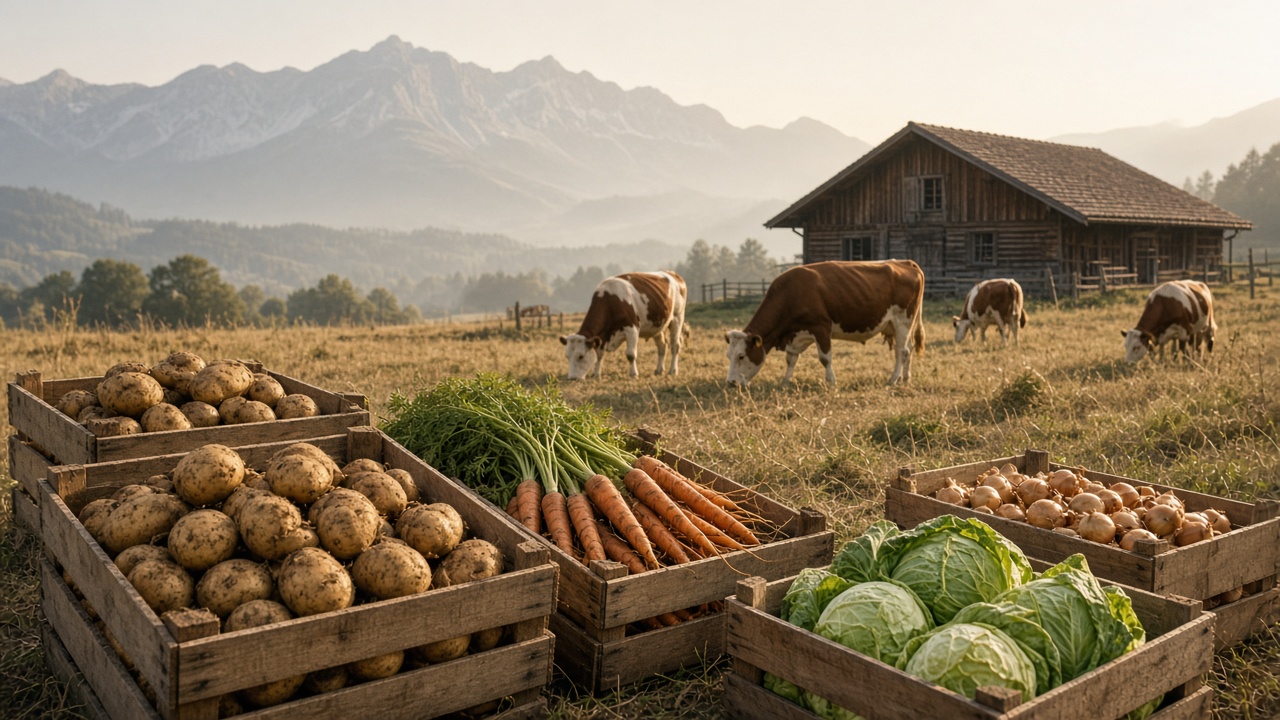
The Yes camp’s closing events lean into the summer. Rallies in Bern and Lausanne this weekend are staged with irrigation pipes, empty fodder bales and produce crates as props, and the message that climate shocks and geopolitical instability make import dependence a risk Switzerland can no longer afford. Supporters frame the target as insurance, not ideology.
The No camp closes on price. Its final advertisements put a shopping basket beside the initiative’s ten year clock and ask who pays for a forced conversion of Swiss agriculture. Economists sympathetic to the goal concede the transition would raise costs in the short run; the dispute is over how much, and whether voters will accept it for resilience later.
Both results land on the same evening, and both campaigns know the other’s voters are also theirs. The neutrality initiative has the posters. The food initiative has the memory of August. The Yes camp is selling insurance against a hungrier century. The No camp is selling cheaper groceries next year. In twelve days, Switzerland picks which fear it believes.