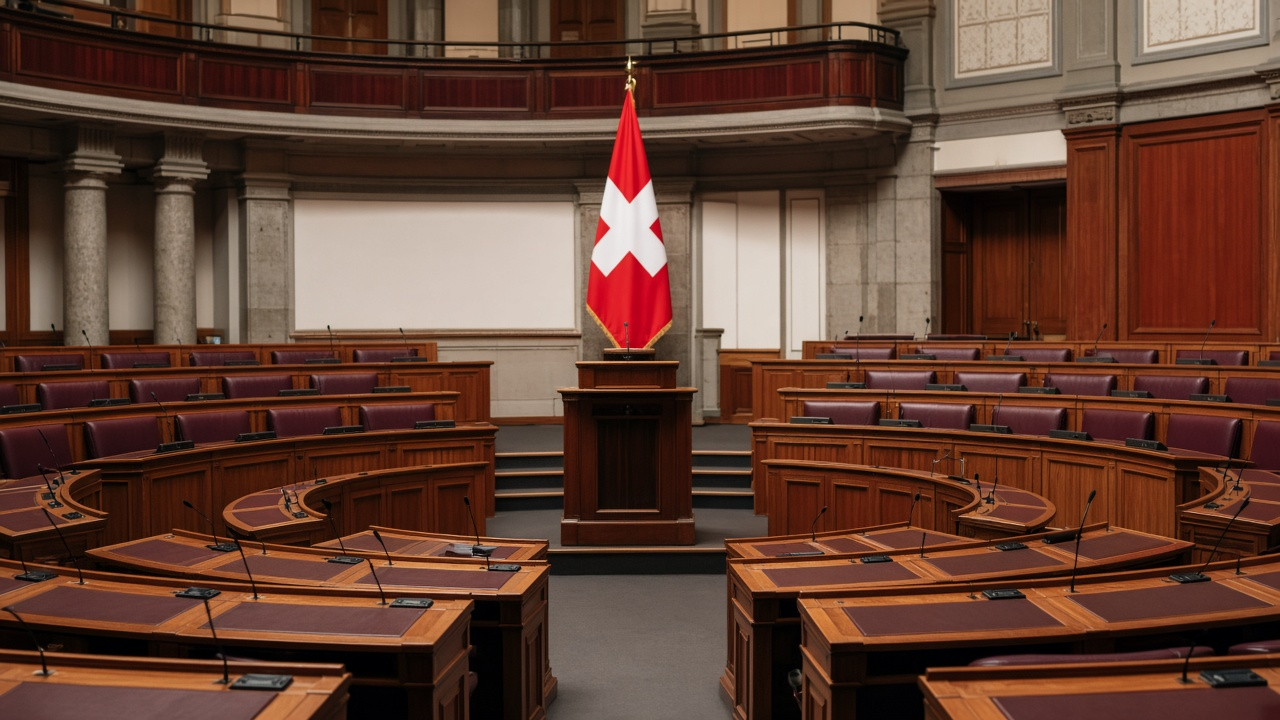
BERN. A publishing failure in the parliamentary services has handed the opponents of the EU treaty package their loudest week yet. The fiery Senate speech in which the Uri Centre senator Heidi Z’graggen broke with her own party line to reject the treaties was never posted in full on the parliament’s website, and the SVP is now accusing the administration of political censorship. Officials describe an oversight, not a decision.
The two speeches at the heart of the row were delivered during the Council of States debate on the Bilaterals III package at the end of September. Z’graggen, the Centre senator for Uri, told the chamber that Switzerland would be giving up control of its own law, and that a No from voters or parliament could be punished by Brussels with compensation measures across unrelated sectors. Beat Rieder, the Valais senator, had gone further still, calling the package worse than a colonial treaty.
For the SVP, whose delegates gathered on Saturday to hear Magdalena Martullo-Blocher declare that the left and the homeland weary are selling Switzerland to the EU, the speeches are what one official called a six in the lottery: respected Centre politicians making the party’s own argument in the bourgeois chamber. The party has pushed recordings of both addresses across its channels, and the censorship allegation has multiplied their reach.
Oversight or suppression
Parliamentary services say the failure to publish the full text was an error, not an instruction. No evidence has surfaced of a decision to suppress the speech, and the record of the debate itself was never in doubt. That has not lowered the temperature. The SVP national councillor who raised the allegation has demanded to know who ordered what, and the party is framing the episode as proof that the administration campaigns for the treaties rather than administers them.
The substance underneath
The row lands on top of a genuinely consequential autumn. The Senate passed the package after 22 hours of debate and sent it to the House, but attached the cantonal majority requirement that turns the eventual referendum into a double majority vote. Z’graggen’s argument, that the undefined consequences of a No make free and informed consent impossible, is precisely the argument the No campaign will take to that vote.
The House takes up the package in the winter session. Whether the publishing lapse is remembered as a footnote or as the moment the treaty fight turned sour depends on what the inquiry into it finds, and on how loudly both chambers decide the question deserves to be argued.