ZURICH. The rain that crossed Switzerland over the weekend bought the country some relief and no rescue. Between 20 and 40 millimetres fell in recent days, yet the national weather service says the drought remains severe, and the medium term forecast offers little more than the usual October ration.
The arithmetic of dry ground is unforgiving. MeteoSwiss estimates the precipitation improved the water balance by only 15 to 35 per cent: part of the rain evaporated, part ran off soils hardened by months of heat, and only a fraction reached the groundwater and the rivers that needed it most. A single wet weekend, hydrologists note, does not refill a deficit built over the hottest and driest summer on record.
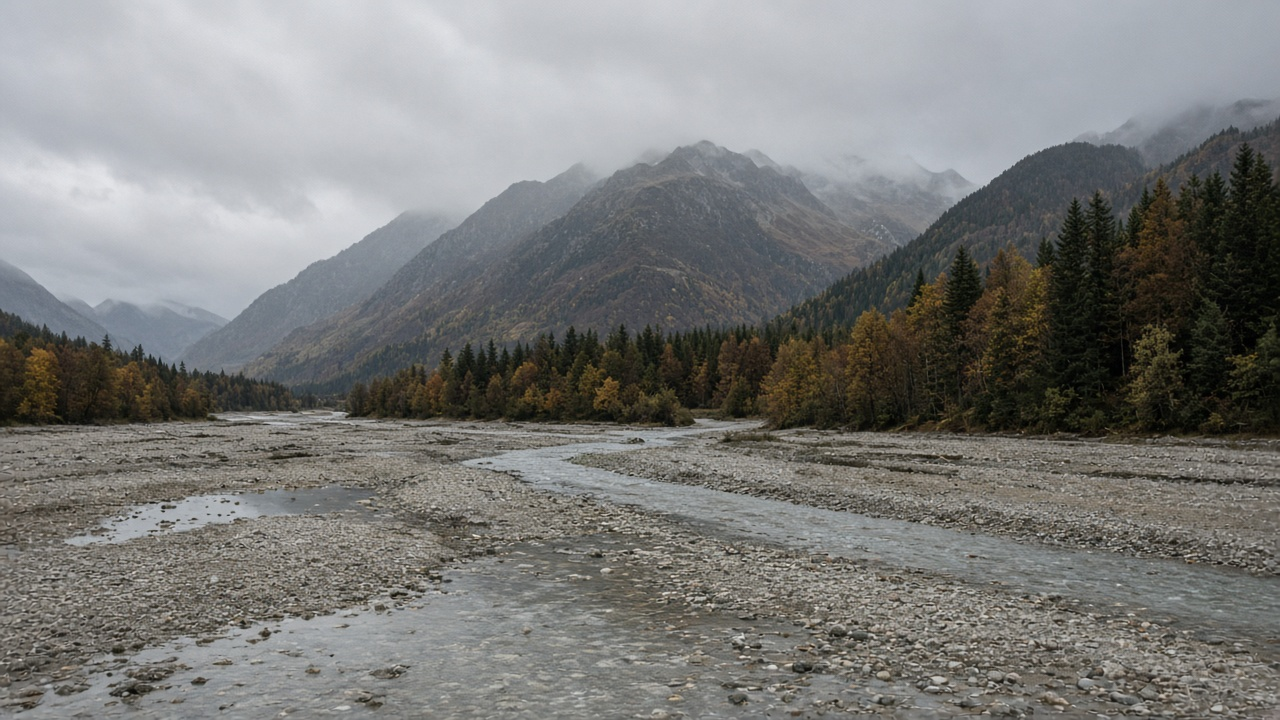
The markers of the drought are still everywhere. Rivers on the Plateau carry a fraction of their seasonal flow, farmers are drawing on the national fodder reserves opened in September, and the bill for agriculture already stands at CHF 522 million, with milk and potato prices adjusted upward at the till.
What would actually help
What breaks a drought like this is not a storm but a season: weeks of steady, soaking rain that the ground can absorb, followed by a winter that lays down snow rather than washing it away. The current forecast offers the opposite rhythm, bright intervals and passing fronts, useful for the weekend, insufficient for the aquifers.
The forests tell their own version of the year. Fire bans were extended into September south of the Alps, and although cooler nights have lowered the immediate danger, foresters warn that the drought stress of 2026 will show itself in next year’s trees: in beetle infestations, and in stands that thinned their crowns to survive this one.
The energy angle
For the power system, a dry autumn cuts both ways. Reservoir levels recovered to 84 per cent by late summer, but every dry week now matters twice for the winter electricity balance: once because inflows feed the turbines, and once because the same rivers must keep their ecological minimum flows through the lowlands.
MeteoSwiss’s next full assessment is expected toward the end of the month. Between now and then, the agency’s advice to the cantons is unchanged: treat the rain as a reprieve, not as the end of anything.