FLAMATT. The artificial intelligence investment wave has arrived, with full force, in the Sense district of Fribourg. Comet, the Flamatt based technology group, increased its third quarter sales by 51.9 per cent to CHF 155.6 million, the company announced on Tuesday morning, comfortably beating analyst expectations. The driver is the same everywhere in the industry just now: the buildout of data centres and AI infrastructure, and the semiconductor factories working at their limits to supply it.
The order book tells the louder story. Incoming orders jumped 170 per cent to CHF 275.6 million in the quarter, a book-to-bill ratio of 1.77, meaning Comet booked nearly two francs of new work for every franc it delivered. A significant share of the backlog is already scheduled for delivery well into 2027. Over the first nine months, sales rose 20 per cent to CHF 395.5 million, or 24.3 per cent at constant exchange rates.
The demand has also broadened. The recovery began with investment in logic and DRAM chips; this year the NAND memory segment joined it, lifting customers’ willingness to invest across all key semiconductor segments. Comet’s Plasma Control Technologies division led the quarter, with its Synertia radio frequency platform gaining market share on top of high demand for established products. The Industrial X-Ray Modules division grew strongly on aerospace, security, defence and battery business. Only the X-Ray Systems unit dipped slightly against a strong prior year quarter, while the commercialisation of its CA20 platform for advanced chip packaging made further progress.
Guidance raised again
For the full year, Comet now expects net sales of CHF 570 to 590 million and an EBITDA margin of 17 to 19 per cent, up from previous guidance of CHF 540 to 570 million and 14 to 17 per cent. The margin target absorbs one-off costs of up to three percentage points tied to the ramp-up of the company’s new plant in Penang, Malaysia, and to continuing efficiency programmes. The shares rose around 2 per cent to roughly CHF 325 in early trading.
“The strong upswing in the semiconductor industry has reached Comet,” chief executive Stephan Haferl said in the trading update. “Combined with our leading market positions, market share gains from new products, and improved efficiency, this positions us exceptionally well for a strong start to 2027.”
A Swiss outlier in the chip cycle
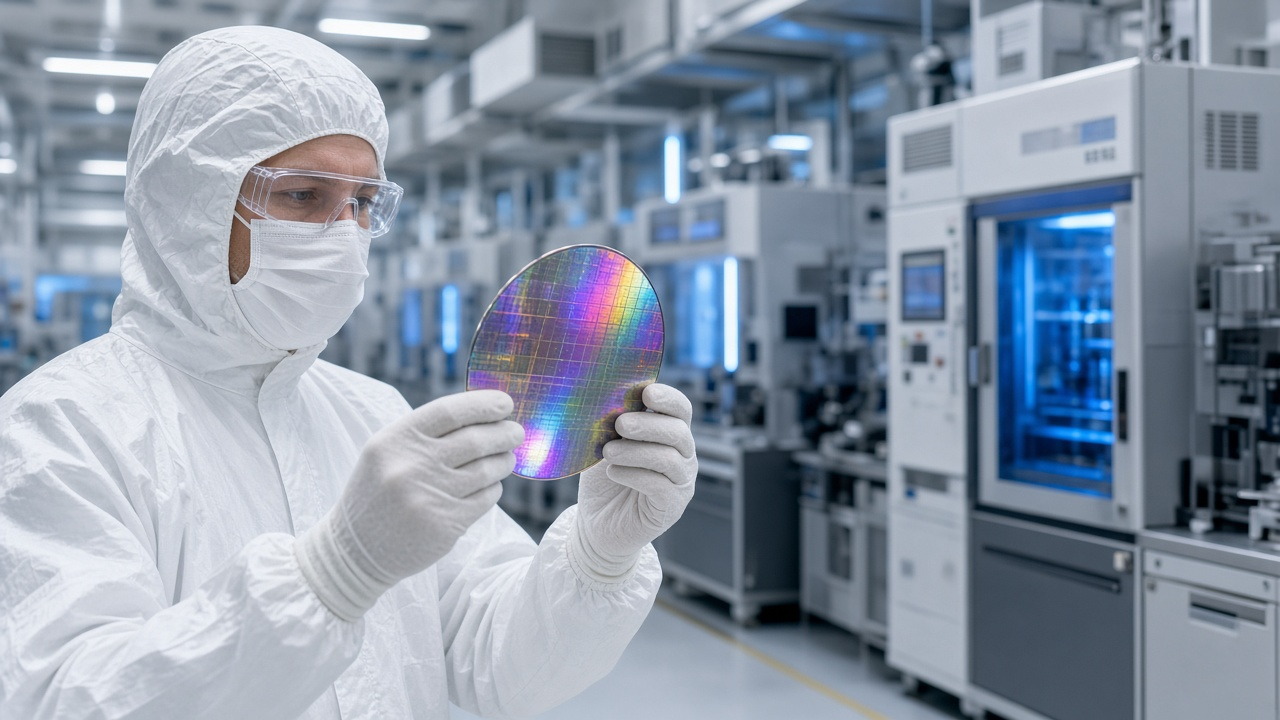
Comet is not a household name even in Switzerland, yet it sits in the middle of the supply chain the whole AI economy depends on: its plasma systems help control the processes that etch advanced chips, and its X-ray modules inspect what the factories produce. The company cautions that geopolitical tensions remain a risk to the global environment, though it says it is only affected indirectly, through costs such as transport.
For Swiss industry, the figures are a bright counterpoint to a year dominated by the fight over bank capital and the strong franc. The machine builders have reported order books filling again this autumn, and Comet’s 170 per cent order surge suggests the technology end of Swiss manufacturing is entering 2027 with something the rest of the economy would envy: visibility.