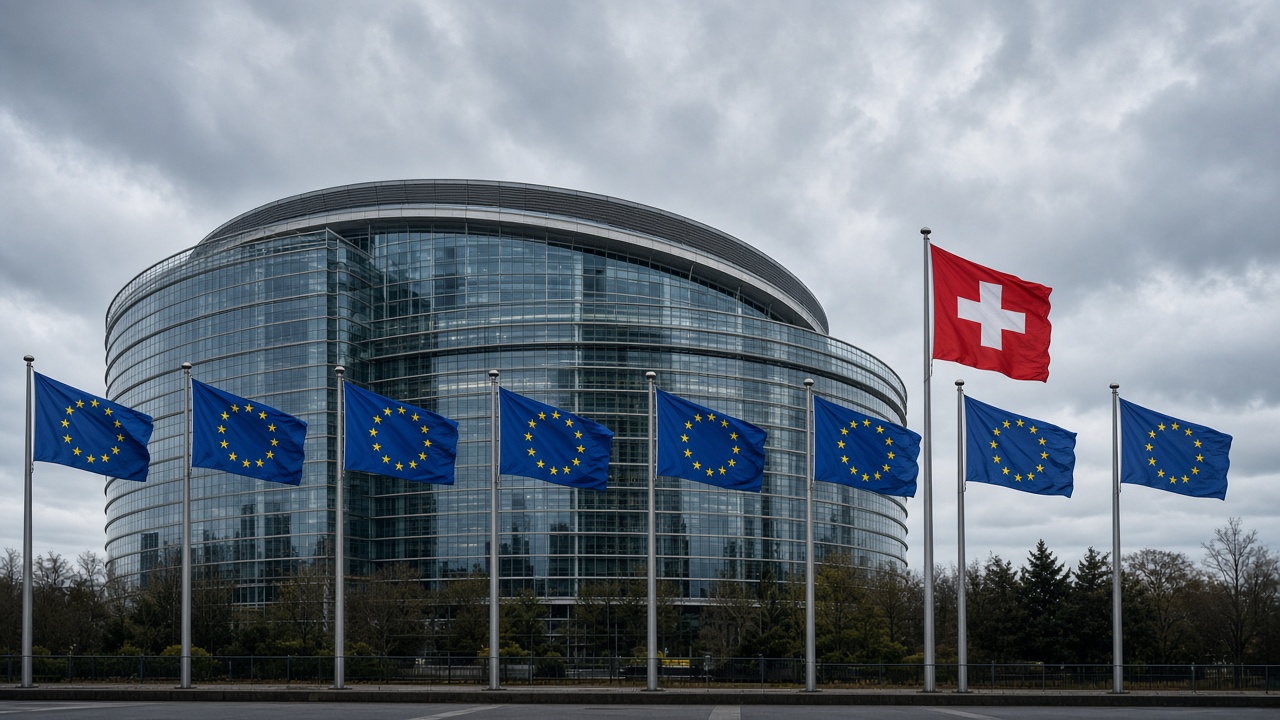
BRUSSELS. The European Union has stepped up its warnings over the Swiss neutrality initiative less than two weeks before the vote. The European Parliament’s Foreign Affairs Committee adopted an interim report last week stating that approval on 27 September would prevent Bern from continuing to align with EU sanctions against states at war, above all Russia.
The warning landed on the same day the committee backed the Bilaterals III treaty package by 53 votes to 3, with nine abstentions. The pairing was deliberate, diplomats on both sides say: the committee wanted its enthusiasm for closer Swiss ties and its concern over the referendum recorded in a single sitting. The full parliament votes on the package in plenary by the end of the year.
The initiative would not cancel the Russia measures overnight. It would change the legal basis beneath them. Switzerland could no longer impose sanctions on belligerent states, apart from measures mandated by the United Nations or designed to prevent sanctions being circumvented. Bern’s adoption of the EU’s Russia packages since 2022, the most consequential use of Swiss sanctions in generations, would have to be reviewed and, on the government’s reading, largely unwound.
That prospect lands in Brussels at the very moment the relationship is moving the other way. In March, foreign minister Ignazio Cassis and EU foreign policy chief Kaja Kallas signed a joint declaration in Zurich on closer foreign and security cooperation, including an annual ministerial dialogue. A separate framework lets Switzerland join EU crisis management operations case by case, respecting permanent neutrality. The initiative, officials here note, would make each of those steps harder to defend and some of them impossible.
The Kremlin has already given the campaign its own review. Moscow’s comment that Switzerland no longer adheres to neutrality was intended as criticism and has been received as endorsement. Opponents of the initiative now call it the “pro-Putin initiative” on the stump, arguing that a text cheered in Moscow is written for Moscow’s Europe. Its backers, led by the Pro Suisse movement and Christoph Blocher, reply that a sanctions policy which can be praised or punished abroad has already abandoned neutrality, and that the constitution should say so.
The Swiss government rejects the initiative and has said so with unusual force. Cassis argues that existing neutrality, flexible enough to survive two centuries of European wars, does not need reinvention, and that the new text would create legal uncertainty while weakening the independence it claims to defend. Parliament agrees across almost all party lines.
The polls suggest Brussels will get the outcome it wants. Every survey this year shows the initiative trailing, with the final broadcaster trend poll due on Wednesday. But roughly a quarter of voters told pollsters they were not firmly decided, and declared turnout is running below average, which is precisely the terrain on which motivated minorities win.
European officials are careful to frame the warning as information rather than pressure. Brussels is not telling Switzerland how to vote. It is telling Switzerland what a Yes would cost: the sanctions alignment, the new security dialogue, and the goodwill the treaty package needs in Strasbourg. The answer arrives on the evening of 27 September. The Senate debate on the EU package opens the next morning, and the first reading of the mood will be in the votes, not the speeches.