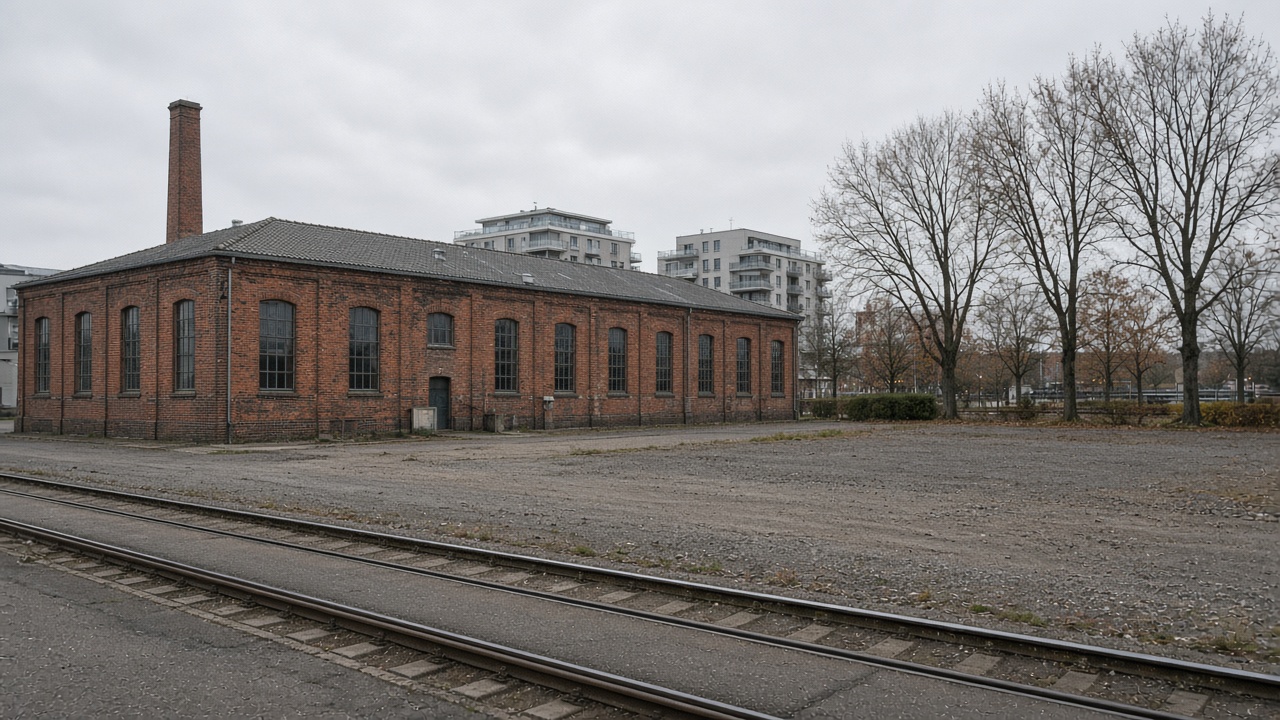
ZURICH. Consult AG and IAZI, the property data firm, have measured the free corners of Zurich’s industrial and commercial land and found room for a large number of homes that would not require a new building zone. On 1,245 plots in 115 communes, the study published on Tuesday says, 16,000 extra homes could be added beside the buildings that are already there. Use the suitable land more intensively and the figure rises to 20,611 homes, enough for nearly 42,000 people. Donato Scognamiglio, chair of IAZI, told the Neue Zürcher Zeitung that the canton needs about 2,000 extra homes a year. The study’s own release says the higher figure would cover about nine years of cantonal need.
The canton has been missing that pace. Its permanent population grew by about 13,000 people in 2025, or 0.8 per cent. Set that growth against net housing production, including conversions and demolitions, and the authors count a shortfall of about 2,400 homes across 2023, 2024 and 2025. Vacancies have fallen. The pressure on rents has not.
Where the plots actually are
The largest pockets are not in the city of Zurich. The Neue Zürcher Zeitung’s reading of the same study puts the city at 428 homes. Winterthur, which the authors describe as often well connected to public transport, has about 1,200, and 1,172 in the newspaper’s count. Uster and Volketswil together have about 1,500, with the better locations concentrated in Uster and the sharper local need in Volketswil. The newspaper splits that pair into 633 and 878. Further out, Regensdorf, Dielsdorf, Niederhasli and Niederglatt together hold about 1,900. The study flags natural hazards in Dielsdorf and aircraft noise in Niederglatt as limits on some of those plots, not as reasons to ignore them.
The method is deliberate. The authors looked at unused parts of plots, not at factories to be knocked down. Existing commercial buildings would stay. Roads, drains and power are already there. The new homes would sit inside today’s settlement area. That is the planning argument: more housing without a fresh bite of farmland, and without deleting the firms that occupy the site.
The paragraph the law does not yet contain
Industrial and commercial zones in canton Zurich are not places where housing is simply allowed. The cantonal planning and building act keeps the uses apart. Today the usual way through is a design plan agreed with the commune, a slow path that often needs a vote of the public or of parliament. Scognamiglio’s proposal is an extra paragraph in the act, so that homes could be added on suitable sites while the zone stayed commercial or industrial. He points to Solothurn, which has had a similar rule for more than twenty years. About 1 per cent of homes there stand in commercial and industrial zones. He calls that a help, not a solution.
There is a political interest on the face of the study. Scognamiglio is not only the chair of the firm that supplied the data. He sits in the cantonal parliament for the Evangelical People’s Party, and he is arguing for the legal change in public. Centre councillor Marzena Kopp has said the idea is worth examining, and has also questioned whether homes in an industrial zone are a sensible place to live. The cantonal government, the Neue Zürcher Zeitung reported on Wednesday, has taken a different line in the past. Residential zones in the canton are still about 6.8 per cent unbuilt, enough on paper for 300,000 more people, but the canton has no tool that forces an owner to build. A postulate asking the government to take a position on housing in commercial zones was rejected.
What would have to be true on the ground
The study sets conditions that a paragraph on its own does not deliver. Some of the homes should stay affordable over the long term, and the mix should follow local need rather than the easiest floor plan to sell. Firms must keep their access, their deliveries, their outdoor space and room to expand. The authors argue that new residents can also help a site, with customers, shorter journeys and rental income that makes it easier to invest in the works. Shared heat and power, new paths and proper open space are part of that picture. None of it is a building permit.
The Federal Council has already rejected binding rent controls and backed a lighter statistical rent, while tenants point to rents that have risen even as mortgage rates fell. A cantonal supply of 20,611 homes would matter in that argument only if it were built, and only if a share of it were actually cheaper to live in. The next decision is not a crane. It is whether the cantonal parliament will write the sentence that lets a workshop and a block of flats share a plot. Until that sentence exists, the 20,611 figure is a measurement, not a pipeline. Communes that want to use it should ask two questions before they quote the study in a housing debate: which of the local plots are in the 1,245, and who would have to change the act before a single one of them could take a home.