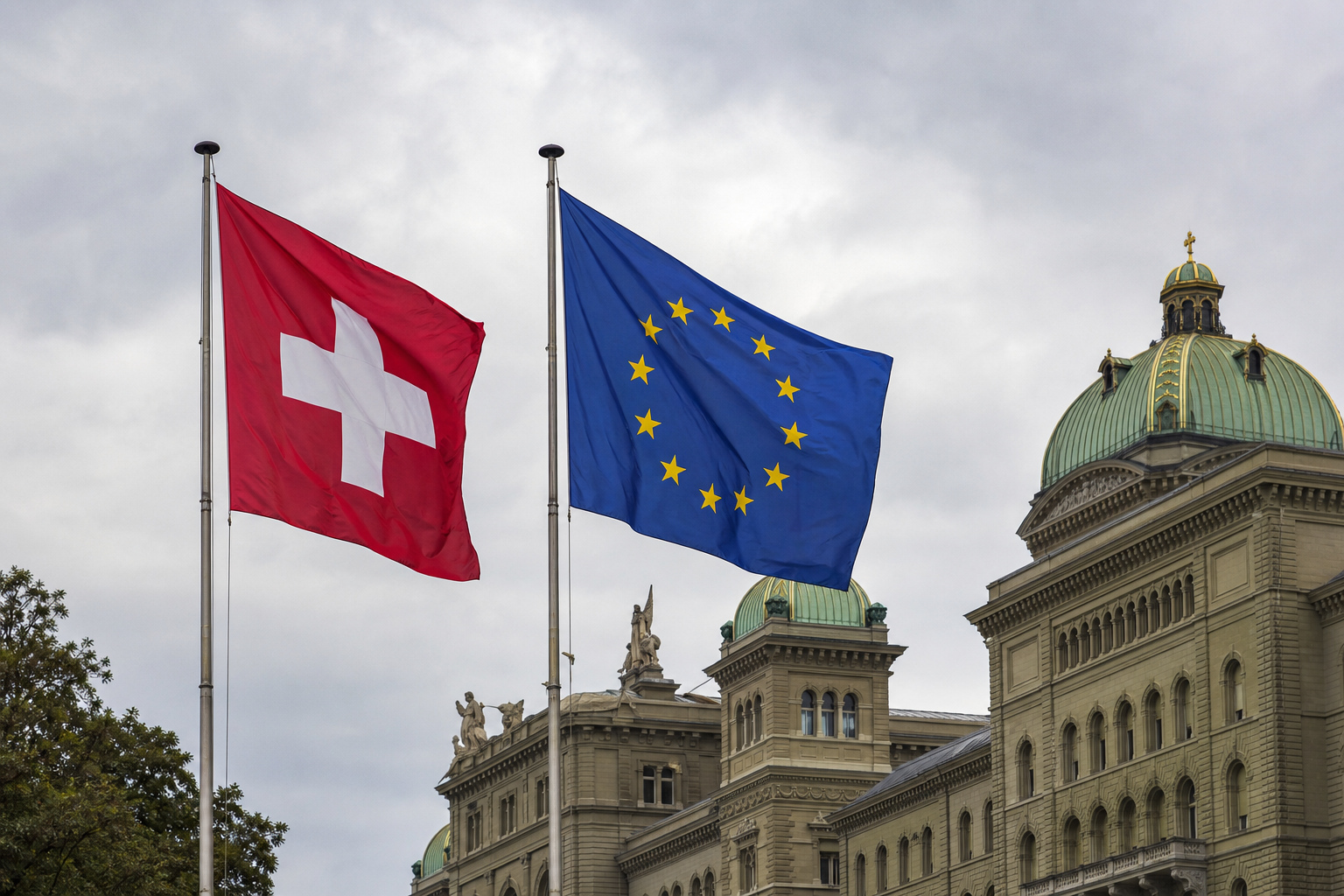
GENEVA. In the low-slung office blocks along Zug's commodity corridor, compliance has become the fastest growing business line in town. Switzerland's decision to align, package by package, with international sanctions has redrawn daily practice in a canton that brokers an outsized share of the world's oil, grain and metals. Trading houses that once measured risk in basis points now measure it in designation lists. Recruiters say sanctions lawyers command salaries once reserved for senior traders.
The latest adjustment came this month, when the State Secretariat for Economic Affairs published consolidated guidance clarifying how attestations, price documentation and re-export clauses apply to Swiss-incorporated traders. The document runs to more than a hundred pages and has been downloaded, one official noted, in jurisdictions well beyond Switzerland. Banks tightened onboarding again, and two mid-tier houses confirmed they were moving certain books to sister entities abroad, while insisting their Zug headquarters would stay.
The backstory is a quiet revolution. For decades Switzerland implemented only United Nations sanctions, treating unilateral measures as someone else's politics. That changed when the Federal Council decided to mirror the European Union's packages, a break justified as exceptional but now institutionalised, with a standing process in Bern for adopting each new round within weeks. Each alignment decision is taken by the full Federal Council, a political ritual that has become almost routine.
Bern's motivation is layered. Reputation comes first: the commodity hub had become a shorthand in foreign capitals for opacity, and the government judged that Switzerland's financial centre could not afford the ambiguity. There is also arithmetic: market access, correspondent banking and insurance all run through jurisdictions that enforce the measures Switzerland once kept at arm's length. The neutrality debate at home, by contrast, has never been noisier.
Reaction in Zug has been disciplined rather than euphoric. The cantonal authorities point to a compliance culture they say long predates the headlines, and industry associations argue that the major houses adapted years ago. A cantonal economic promotion official conceded, off the record, that two planned expansions had been quietly shelved. Observers abroad are less generous, noting that enforcement capacity in Bern still trails the volume of trade passing through Swiss desks.
The figures explain the attention. Several hundred trading and shipping firms are domiciled in the canton, employing thousands directly and anchoring a services economy of lawyers, inspectors and freight financiers. By industry estimates, Swiss-based traders handle roughly a third of global seaborne oil transactions and a comparable share of grain and metals flows. The cluster grew over three decades on the assumption that Switzerland would keep its own counsel.
“The business has not left; it has been asked to show its paperwork,” said a Geneva-based sanctions lawyer who advises houses along the corridor.
The complications multiply downstream. Price-cap attestations must be gathered from counterparties who resent the questions; re-exports through third countries test the limits of Swiss jurisdiction; and smaller firms complain that compliance fixed costs are consolidating the market in favour of the largest houses. Insurers, newly cautious, have raised premiums for cargoes with convoluted ownership chains. Legal challenges to freezing decisions are working their way through the Federal Administrative Court.
What happens next is procedural but consequential. The Federal Council is expected to decide on alignment with the next package within weeks of its adoption abroad, and the enforcement reports of the State Secretariat for Economic Affairs will go to parliamentary committees that have grown markedly more curious about the file. Guidance on circumvention indicators is promised before the end of the year.
The significance reaches beyond one canton. Switzerland is quietly redefining what neutrality permits, treating economic measures as a legal duty rather than a political choice, and the commodity hub is where that redefinition is stress-tested daily. The outcome will shape whether Zug remains a first-tier trading address or becomes a premium compliance boutique.
For now the corridor hums on, with more lawyers and fewer favours. Traders joke that the canton's new emblem should be a rubber stamp, and office rents in Baar have not yet noticed the drama. The serious view in Bern is simpler: Switzerland chose credibility over convenience, and Zug, grudgingly, is proving the choice was workable.