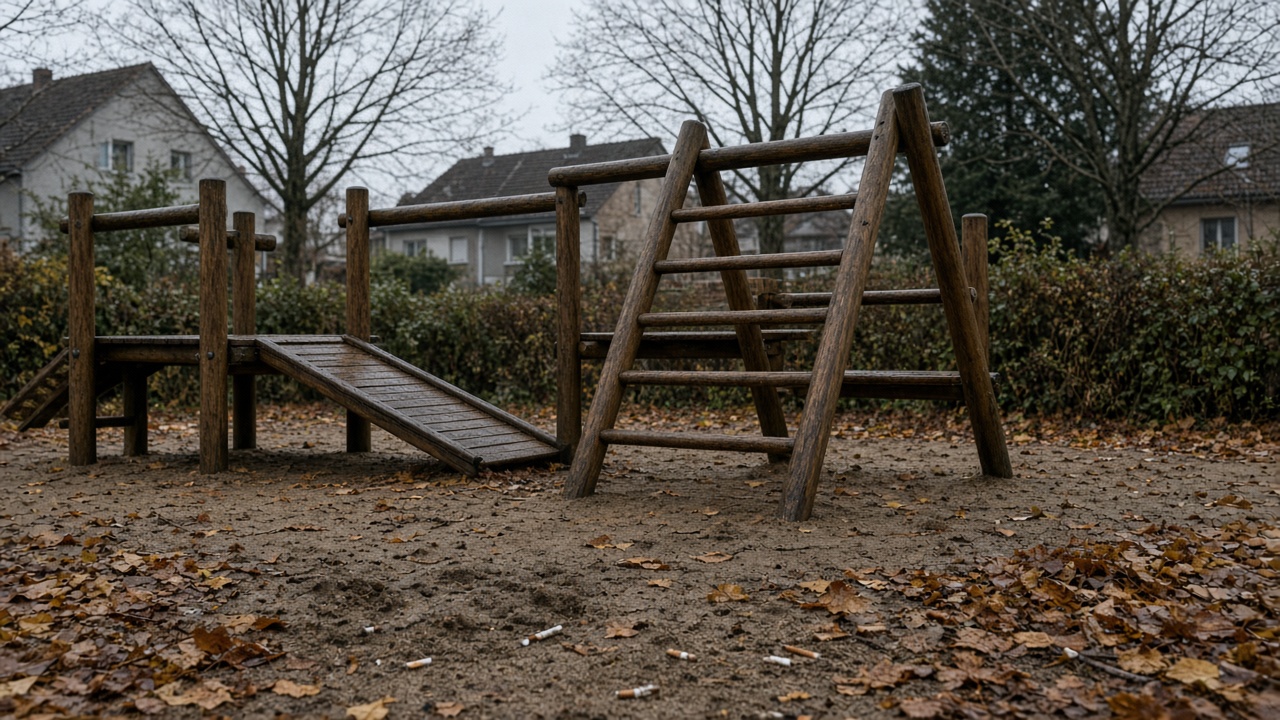
BERN. Cigarette butts and nicotine pouches heavily littered 97 per cent of the playgrounds checked by the Swiss group stop2drop. The organisation collected rubbish in children’s play areas in 132 communes across 24 cantons and published the count this week. Felicitas Ettlin, who leads the Playground Analysis project, said cigarette litter and smoking in playgrounds are a major problem in Switzerland. The group’s health point is specific: a butt holds more than 7,000 chemical substances, and a small child can pick it up and swallow it.
The survey is an NGO count, not a federal census. It does not claim that 97 per cent of every playground in the country looks the same. It does claim that in the 132 places volunteers actually visited, heavy litter was the norm rather than the exception. That is wide enough, 24 cantons, to be more than a city-centre story. Nicotine pouches sit in the same bags as the butts, which matters because the litter is no longer only what a cigarette leaves behind.
What communes already know, and do not do
Many communes already ban smoking in playgrounds, or ask people not to. Ettlin’s finding is that the rule, where it exists, is not keeping the sand clear. A ban without a bin, a check or a fine is a sign. The chemical risk the group cites is not theoretical to a parent who has watched a toddler put gravel in their mouth. The same gravel, in these playgrounds, is sharing space with filters.
Cleanup days can move the visible mess. They do not change the next afternoon. stop2drop’s implied demand is enforcement and design: fewer places to drop a butt inside the fence, and a reason not to smoke there. Bern is already looking at nicotine from the tax side, and wants the prevention levy extended to vapes and snus because cigarette sales, and the fund they feed, are shrinking. A levy and a playground are different instruments. They meet in the same week only because both are about where nicotine ends up.
A number parents can check locally
The useful next step is local. A commune that appears in a national percentage can still walk its own playgrounds and see whether the 97 per cent includes them. Schools and residents’ associations can do the same count with a bag and an hour. If the sand is clean, the national figure is a warning rather than a description. If it is not, the appeals court is not coming to fix it. The commune is. Ettlin’s sentence is the one to test on site: cigarette litter in Swiss playgrounds is a major problem, and in 132 places the bags came back full.