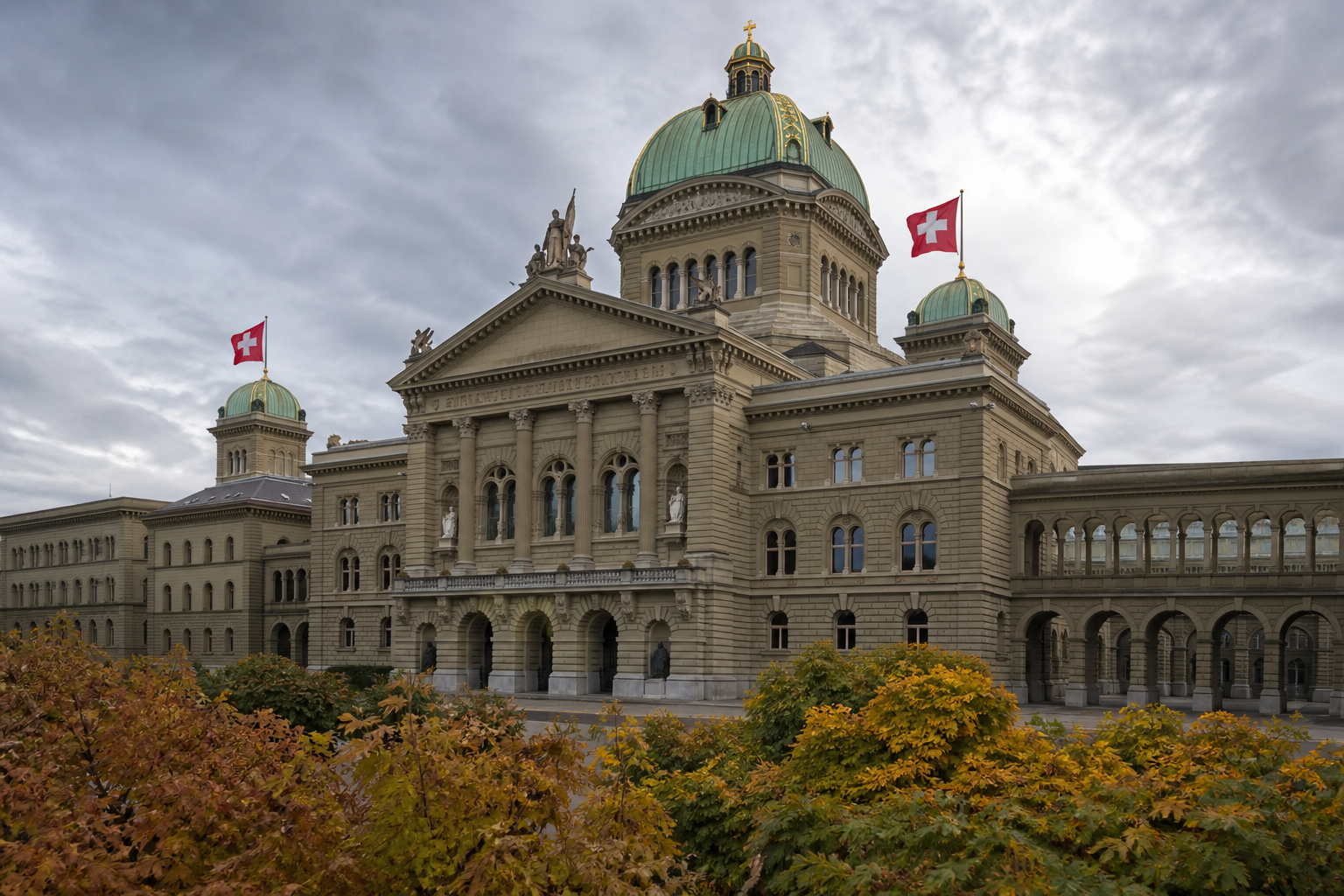
BERN. The federal lobbying register has passed its first half year with more than 400 mandates listed and, this week, its first public corrections. The figures released by the parliamentary services confirm two things at once: how much lobbying Bern actually hosts, and how new the habit of disclosing it still is.
The register, which took effect in January, requires anyone contacting senior federal officials on pending business to record the mandate, the client and the subject. Two quarterly rounds have now been published. Health policy accounts for the largest share of entries, followed by financial regulation and energy, an ordering that will surprise nobody who has walked the corridors around the Bundesplatz this year.
The corrections arrived quietly. A pharmaceutical company reclassified a dozen meetings it had filed as informal exchanges after journalists cross-checked the register against ministers' published agendas. A cantonal conference registered a series of contacts several weeks late. No sanctions follow; the system's teeth, at this stage, are reputational.
Transparency groups welcomed the disclosures and immediately asked for more. The current thresholds exempt contacts below a certain seniority and leave parliamentarians' own staff outside the perimeter. “Sunlight, it turns out, also works in Bern,” one campaigner said. “It just needed a deadline. Now it needs a wider window.”
The administration defends the narrow design as deliberate. Officials argue that a register which collapses under its own paperwork helps no one, and point to the compliance rate, which internal spot checks put above 90 per cent. The comparison they prefer is not Brussels, with its thousands of registered lobbyists, but the Swiss norm of quiet access that preceded any register at all.
Parliament's own debate is scheduled for the spring, when the first annual report on the register lands. Several motions already wait in the drawer: one would extend the duty to committee staff, another would publish meetings in closer to real time, a third would drop the whole experiment. None is expected to pass quickly, which in Bern counts as a form of stability.
What the register has already changed, lobbyists concede, is the choreography. Lunch invitations now come with a note about filing duties. Senior officials keep diaries with the register in mind. The conversations themselves have not moved out of the restaurants around the Bundesplatz, and nobody serious expected them to.
The next quarterly publication is due in October, in the middle of the autumn session's health premium debate. Given the sector's leading position in the register, the entries will be read closely. That, the architects of the system say, was rather the point.