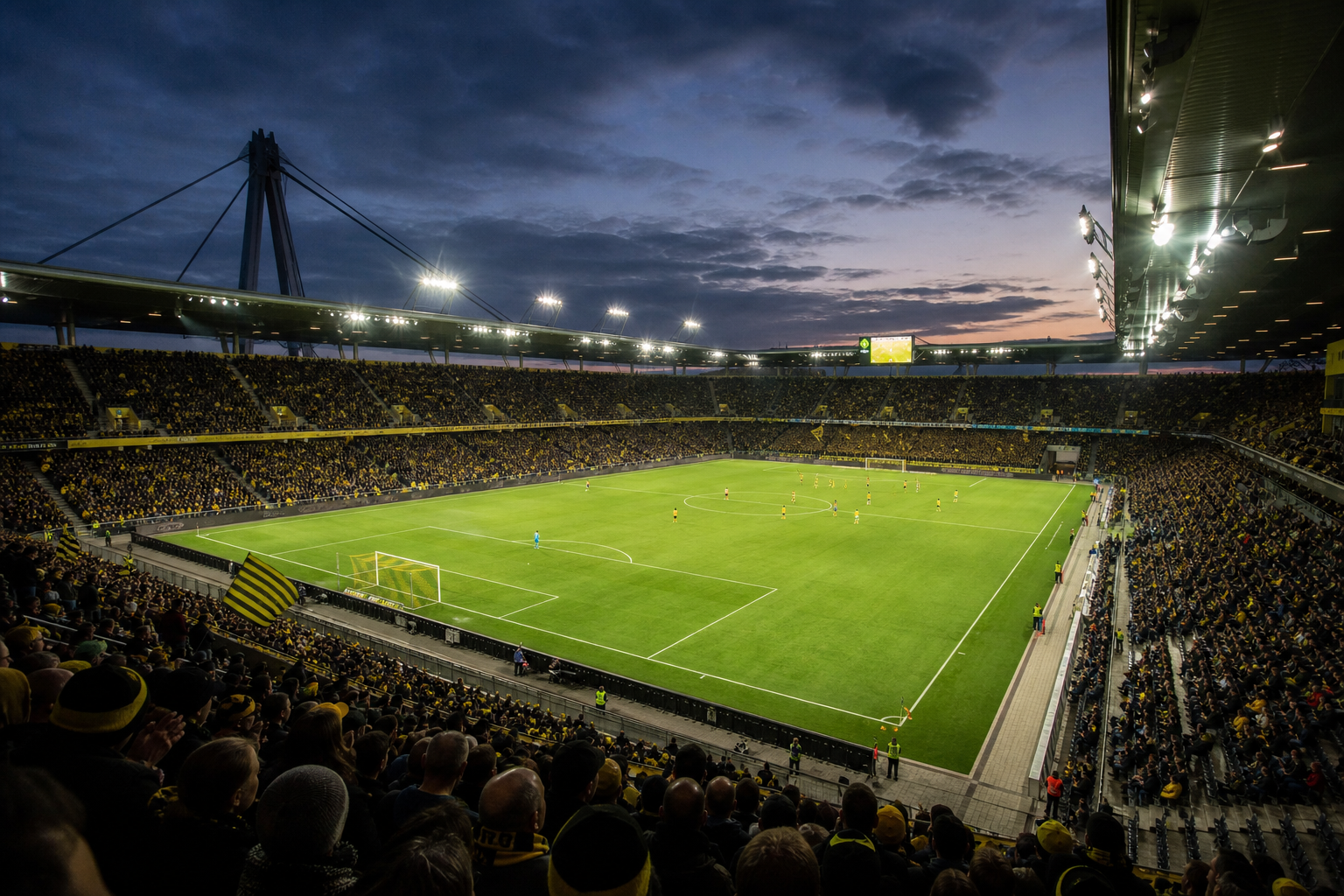
ZURICH. The Letzigrund will host the season finale of the international athletics circuit once again, confirming Zurich's place as the sport's traditional end-of-summer stage. The Weltklasse meeting will close the Diamond League season, bringing the year's points race to its conclusion under the lights in front of a full house.
The meeting will crown the season's champions across the programme, with the points accumulated over the year deciding who contests each final and the winners taking the titles and the prizes that come with them. For the athletes, Zurich is where the season's work is settled; for the city, it is a fixture as fixed as any on the sporting calendar.
The background is a meeting with few peers. Weltklasse has been staged at the Letzigrund since 1928, and the stadium has seen more world records than almost any venue in the sport's history. The decision to make Zurich the permanent home of the season finale recognised both that history and the meeting's unmatched ability to fill its stadium and deliver fast times. Rival cities have bid for the honour, but the athletes themselves have consistently voted with their feet for Zurich.
The numbers tell their own story. The Letzigrund holds around 25,000 for athletics and sells out for the finale, the meeting operates on a budget in the region of 8 million francs, and the prize money on offer across the programme runs into the millions. Dozens of world records have been set on the track, a statistic the organisers cite with justifiable pride.
The format is what gives the evening its edge. Unlike a regular meeting, the finale is a championship in miniature: only the top athletes in each event qualify, every race and every round of jumps and throws carries the weight of a title, and the points system means some events are decided before the night begins while others go to the last attempt. The programme is compressed into a single evening of sustained tension.
Reaction has been warm from all quarters. The meeting's directors speak of the finale as the fulfilment of the stadium's purpose, the Swiss athletics federation values the shop window it provides for the sport, and the city regards the evening as one of its signature events. Athletes, who vote with their entries, continue to make Zurich a priority at the end of long seasons.
A senior figure at the meeting said: “Athletes come to Zurich because the crowd understands the sport, and that is rarer than you might think.” The full house each September suggests he is right.
The money picture is built on a stable triangle of sponsorship, ticketing and the support of the city and its partners. The meeting's commercial strength allows it to pay appearance fees that attract the biggest names even at the end of a tiring season, and its profitability funds a broader programme of athletics promotion in the region.
For Swiss athletics, the evening is both showcase and target. Home athletes who qualify for the finale are guaranteed a reception that visiting competitors describe as unique, and the federation uses the meeting to inspire the next generation. Several of the country's leading hopes are expected to feature on the programme. The federation has set a target of Swiss finalists across multiple events, a goal that would have seemed fanciful a decade ago.
What happens next is already in motion. Planning for the following season begins almost as soon as the last race is run, and discussions continue about the stadium's long-term future and the facilities the sport will need. The finale's place on the calendar, at least, is secure.
The Letzigrund has closed the season before and will close it again, the lights coming up on another year of the sport. In a discipline always searching for certainty, Zurich's September evening remains one of the few things athletics can rely on. The lights will go up, the track will be fast, and the season will end where it belongs.