BERN. The hottest summer since records began in 1864 has ended, and the verdict on how Switzerland coped is arriving. Cities from Zurich to Lugano improvised their way through weeks of extreme heat, opening climate shelters, sending alert messages and extending swimming pool hours. What the country still lacks, researchers and insurers warn, is a coordinated national heat plan.
The numbers of the season explain the urgency. Daily temperatures ran 5 to 10 degrees above the long-term average for weeks, the mercury approached 40 degrees in several places, and heatwave alerts remained in force longer than in any previous summer. In Lugano, the temperature never fell below 20 degrees on 49 nights, a record run of tropical nights since measurements there began in 1865.
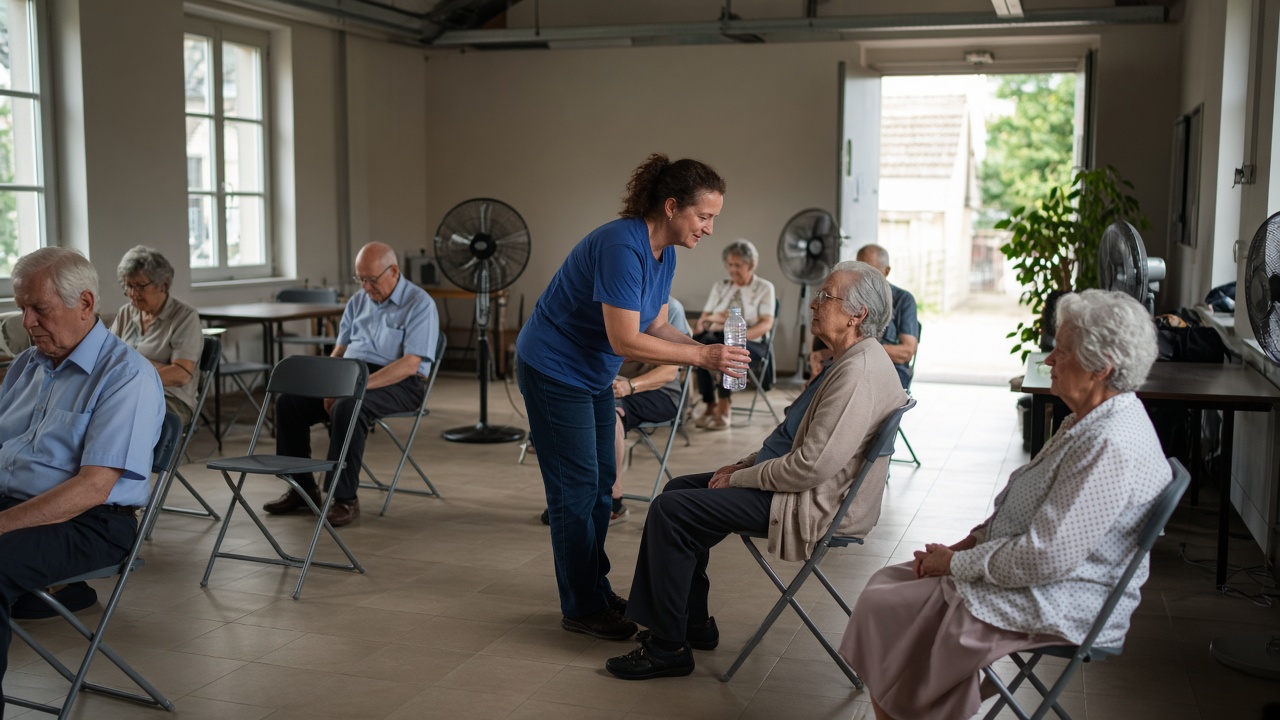
The response, where it existed, was municipal. Zurich refined its heat island mapping and opened cooled public rooms, building on the detailed map of its hottest blocks published this summer. Geneva and Lausanne tested climate shelters for homeless and elderly residents. Basel ran awareness campaigns through pharmacies and Spitex nurses. Bern’s medieval arcades became informal refuges, and several communes relaxed rules on shade structures and bathing hours.
A patchwork with holes
Researchers who study heat and health say the patchwork itself is the problem. Protection varies considerably from one city to the next, there is no binding national strategy, and some at-risk groups remain largely outside the plans. “Heat is not only a meteorological phenomenon, it is a public health issue,” notes one researcher whose team, supported by the insurer Mobiliar, has spent the summer examining how Swiss cities shield their most vulnerable residents.
The gaps are specific. Tenants in top floor flats under uninsulated roofs, outdoor workers, the elderly living alone and people with severe mental illness all face elevated risk, yet only a handful of communes keep registers of who might need a knock on the door when an alert is declared. Hospitals reported the season’s rhythm in their emergency wards: dehydration, heart strain, and medication that works less well in extreme heat.
The federal role is limited by design. Heat protection in Switzerland belongs to the cantons and the communes, and the Federal Office of Public Health issues guidance rather than obligations. A national heat action plan, of the kind France and Germany adopted after the deadly summer of 2003, has been discussed in Bern for years without ever acquiring an owner, a budget or a deadline.
The insurance ledger
Insurers have begun to say in public what their claims data say in private. Heat kills more quietly than storms, but it costs steadily: in lost working hours, in damaged harvests like the CHF 522 million farm bill of this drought, and in health costs that land in the premium letters every autumn. The Mobiliar, which funds heat research, argues that adaptation is cheaper than repair by a wide margin.
Meteorologists offer little comfort. Climate models have long projected that a summer like 2026 becomes the norm around 2070, and this year’s record season arrived forty years early. The first week of September has kept the lowlands above 30 degrees, with Geneva touching 33.
The political window opens with the autumn session next week. A motion pending in the National Council would oblige cantons to draw up heat plans for hospitals, care homes and schools, with federal money attached. After the summer of 49 tropical nights, its supporters say, the argument that heat is a private matter has melted away.