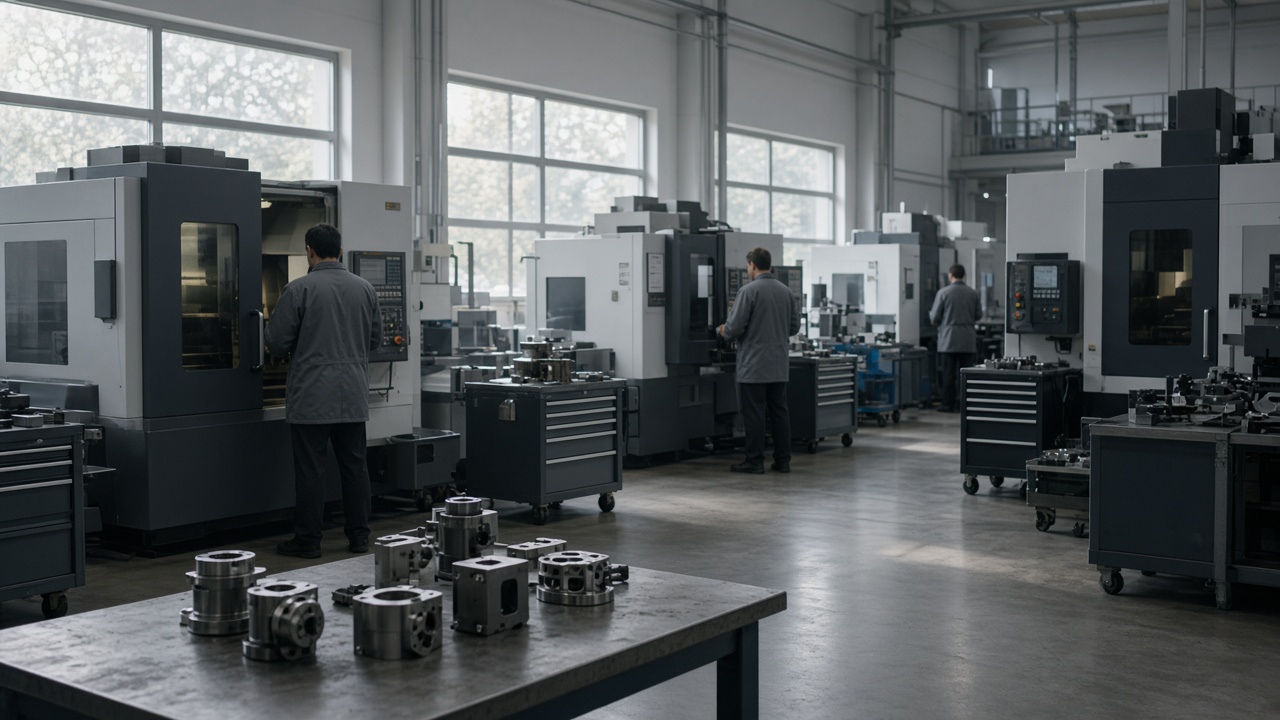
ZURICH. A 0.2 per cent quarter is the sort of number that invites people to perform. One camp will call it proof that Switzerland shrugged off tariffs, energy costs and a strong currency. The other will note that the previous quarter was 1.5 per cent and call Monday a stall. Both performances waste the figure. The State Secretariat for Economic Affairs published a flash estimate, not a medal. Industry expanded. Services did not. The revision arrives on 30 November. Until it does, the grown-up reading is the one the National Bank already gave itself in September: moderate.
Moderate is doing more work than it gets credit for. After a 1.5 per cent spring, a small positive summer is a slowdown that did not turn into a decline. Economists had been ready for a decline, or at best for zero. Beating a gloomy consensus is not the same thing as accelerating. Households who hear “unexpected growth” on the radio should ask unexpected compared with what. Compared with a forecast of a small minus, yes. Compared with the quarter before, no.
The split is the story
Services are most of the economy a resident actually touches: the shop, the restaurant, the bank counter, the care home. A quarter in which that block stagnates is a softer country than a quarter in which a pharmaceutical plant has a good export month. Pharma is allowed to carry Switzerland. It is not a description of every high street. The youth unemployment figure for the same quarter, 12.6 per cent, belongs in the same paragraph as the GDP print. A growing economy can still fail the people just leaving education. Monday did not repeal that.
The franc’s role is easy to get backwards. It eased during the quarter, which helps a machine builder, and it remains strong enough to have kept imported inflation below the European path. That combination is a gift and a constraint. Exporters do not get to have the soft currency and the cheap imports. The National Bank does not get to treat 0.2 per cent as a reason to move a policy rate that is already at zero, not on a flash estimate, and not while it has said in public that policy is supporting the economy it wanted.
The risk that is not in the decimal
US trade policy is the part of this story a Swiss decimal cannot settle. Since July most Swiss goods have faced a total American levy of 12.5 per cent, under a framework that was never binding law. Talks continue. A board that prices next year’s American sales off Monday’s GDP number is using the wrong input. Use the tariff. Use the order book. Use 30 November, when SECO says which sectors actually did the 0.2.
Schlegel has already said there are early signs that growth goes on. He should be held to that sentence in December, not rewarded for it in November. If the detailed estimate confirms industry up and services flat, the bank’s “moderate” survives and the boom headlines do not. If the revision dips below zero, Monday’s relief was a rounding. Either way, the error to avoid is the same. Do not trade a flash print as a change in the weather. The news story has the figures. This column only has the instruction: read the split, wait for the revision, and leave the medal in the drawer.