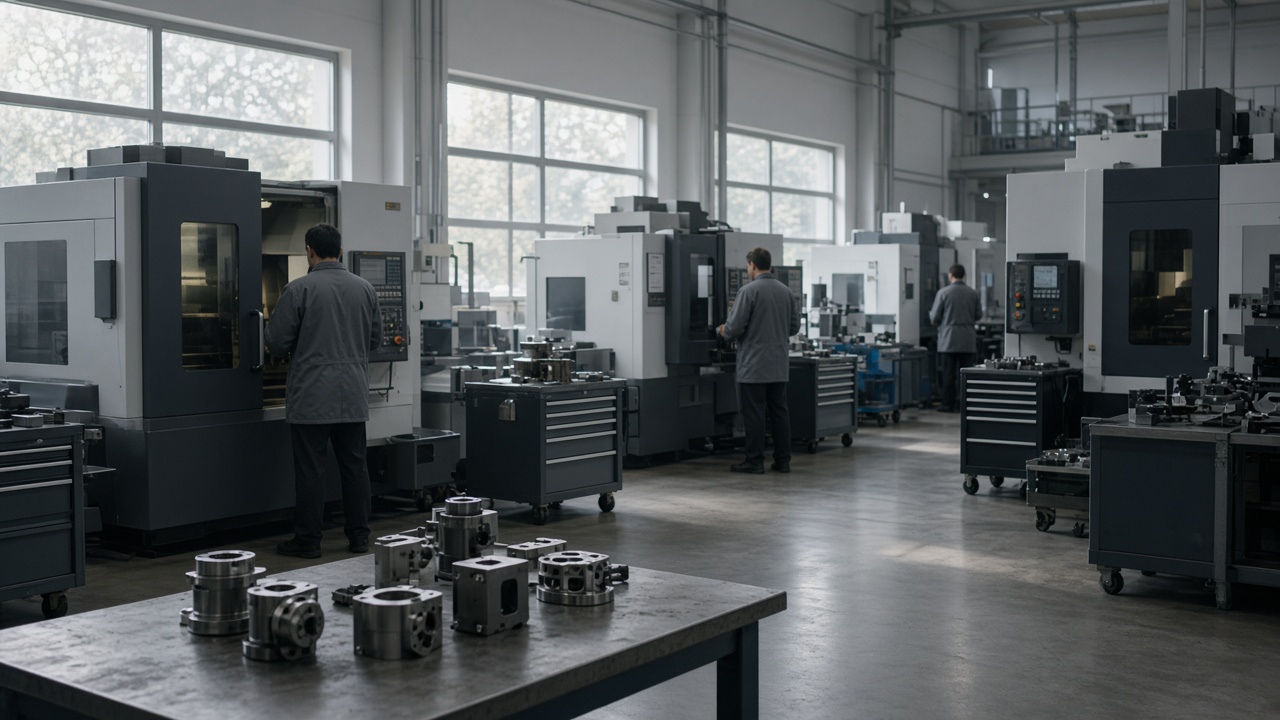
BERN. Switzerland’s economy grew in the third quarter, and the growth came from the factories. The State Secretariat for Economic Affairs said on Monday that gross domestic product, adjusted for large sports events, rose 0.2 per cent from the previous three months. A Bloomberg survey of economists had pointed to a 0.1 per cent contraction. A separate survey by the AWP news agency had pointed to no growth at all. The flash estimate beat both.
SECO’s sentence on the split is the one that matters. “The industrial sector expanded again, while the services sector stagnated overall.” The second quarter had been a different kind of number: plus 1.5 per cent. The first quarter had been plus 0.5 per cent. Monday’s print is a sharp loss of speed that stayed on the right side of zero. The detailed estimate, with a fuller account of what drove it, is due on 30 November. Flash readings are built on incomplete data and filled out with forecasts. They move.
Why a small plus still counts
Switzerland has grown faster than the surrounding euro area in every year since 2023. Monday’s figure, if it survives the revision, keeps that streak alive for 2026. The franc softened during the quarter, which takes some pressure off exporters, but the currency is still strong enough to have shielded households from the inflation that followed the Iran war. Domestic spending held up because prices at home rose less than they did next door. That is Bloomberg’s reading of the quarter, and it fits the way the National Bank has described the year.
Pharmaceuticals do a growing share of the work. Drug exports move less with the exchange rate than machinery or watches do, so a firm franc does not shut the order book in the same way. Jean Dalbard at Bloomberg Economics said the quarter showed “the broader resilience of the Swiss economy”, with domestic demand, easier financing, milder inflation than in Europe and a softer currency all helping. The release itself does not yet prove those channels. It is consistent with them.
What the National Bank already said
After its September decision the Swiss National Bank said it expected “moderate growth” in the coming quarters, and that policy was having a “supportive effect”. The policy rate is still zero. Martin Schlegel told Handelszeitung this month that there were “initial indications that positive growth will continue”. A 0.2 per cent quarter is what that sentence looks like in a table. It is not a boom, and it is not a reason to reopen the rate debate on the back of one flash print. The argument for reading it that way is set out alongside this news story.
Trade with the United States is the open risk. A preliminary understanding a year ago cut the American tariff on Swiss goods from 39 per cent to 15 per cent, and that framework was never legally binding. Since July, most Swiss goods have faced a total US levy of 12.5 per cent. Talks on a final agreement are still going. A tariff that can be rewritten is not a planning assumption a machine builder can take to the bank.
What to watch before 30 November
Treat 0.2 as the first official word, not the last. SECO will publish the fuller estimate on 30 November, and large sporting events are stripped out of this series because the country hosts bodies such as the International Olympic Committee and FIFA, whose event revenue can jerk a small economy around. If you run a factory, the useful line is the one about industry expanding. If you run a shop, a hotel or a bank branch, the useful line is that services as a whole did not grow. The labour market is already showing the softer side of that split: youth unemployment in the same quarter hit 12.6 per cent, the highest since the series began.
Households do not need to do anything on the back of a flash GDP figure. The dates that change the story are 30 November, when the detail arrives, and the National Bank’s December assessment, when Schlegel has to say whether “moderate” still means what it meant in September. Until then, the honest summary is short. The quarter did not shrink. Industry carried it. Services stood still. The revision can still nick the decimal.