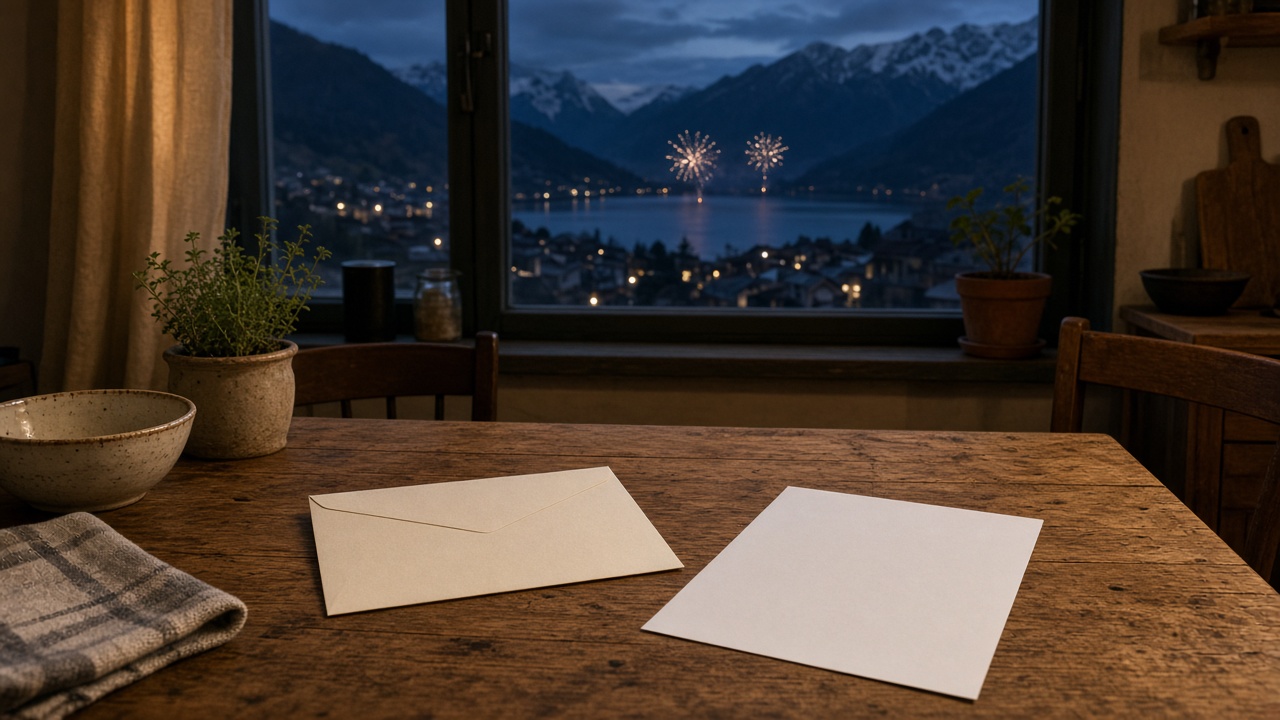
BERN. Support for a national restriction on noisy fireworks stands at 69 per cent in the first survey of the campaign, published by the Swiss Broadcasting Corporation on Friday. Switzerland votes on 29 November. The initiative’s opponents have a month to pull that number down, which is exactly how these campaigns usually go.
The text is narrower than the word ban suggests. It would stop the sale of particularly loud and disruptive fireworks for private use. Sparklers and fountain-style pieces would remain legal. Cantons could still authorise exceptions for events of more than local importance, including National Day on 1 August and New Year’s Eve, with the emphasis on quieter alternatives. Age limits and licences already exist. What does not exist is one rule for the whole country. Cantons and communes restrict sales and use patchily, or not at all.
A majority that crosses party lines
The poll found the proposal most popular on the left, but with a majority in every political camp, and stronger support among women than men. It also travelled across the language regions, which matters on a question that looks cultural. Swiss Animal Protection, one of the groups behind the initiative, put the case in a sentence the survey seems to have rewarded: “For pets, wild animals and farm animals, fireworks are not a celebration, but pure stress.” The text also cites noise, air pollution, litter, accidents and fires.
The initiative, “For a restriction on fireworks”, was filed in 2023 and cleared the hurdle with more than 137,000 signatures. A counter-proposal failed in the summer, so voters get the original text, yes or no, with no softer alternative on the same ballot. The Federal Council has already recommended a No.
Tradition, trade and a prohibition culture
The industry answer is that the vote threatens a Swiss custom, not a nuisance. The Swiss Fireworks Coordination Office has called the proposal a threat to tradition. The Swiss People’s Party, the Centre and the Swiss Trade Association are campaigning against it, warning of the cost to small businesses and of what they describe as a prohibition culture. Personal freedom, they argue, includes the right to mark 1 August the way communes already choose to mark it.
Both sides can point abroad. The Netherlands brought in a broader firework ban this summer, mainly on safety grounds, with animal welfare and pollution in the supporting arguments. Belgium already limits the most powerful categories. None of those laws is the Swiss text. They are the comparisons the leaflets will use anyway.
The honest caveat is the one every Swiss campaign manager learns. Popular initiatives tend to lose support between the first poll and the ballot box, once the Federal Council, the business groups and the habitual No voters have had their say. A 69 per cent start is a strong one. It is not a result. Households that want the arguments in one place before 29 November, including the separate vote on arms exports the same day, can follow both campaigns here. The number that matters is the one counted on the Sunday, not the one published on the Friday.