BERN. The new treaty package with the European Union has passed its first parliamentary test. The foreign affairs committee of the Council of States voted on Friday, by a clear majority, to recommend that the chamber approve the Bilaterals III agreements, setting up what promises to be the defining debate of the autumn session.
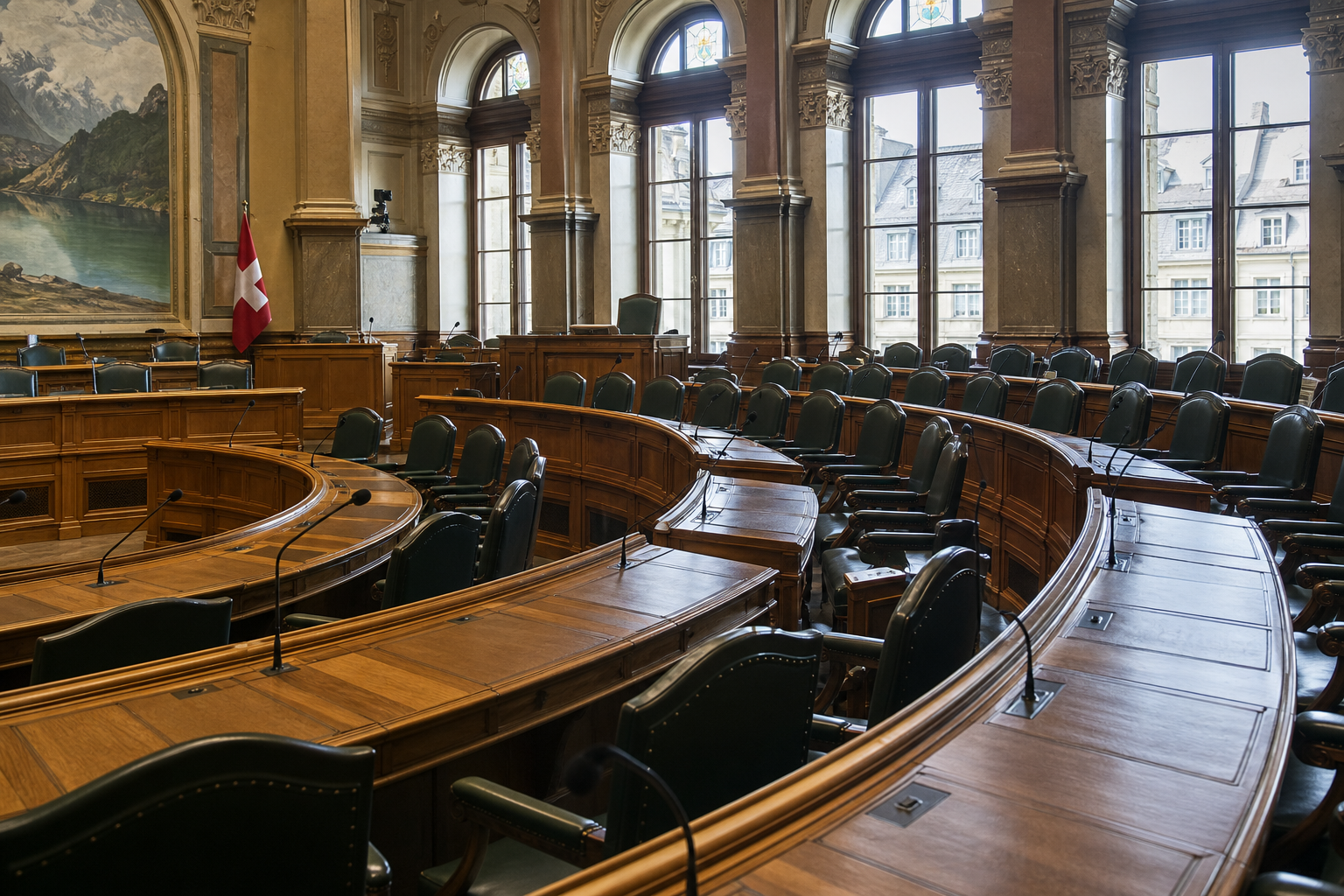
The committee’s decision, taken after two days of hearings, moves the package to the full Council of States, which opens its debate on 28 September. Three federal councillors are expected to attend. Senators will begin with the stabilisation section, the institutional core of the package, before turning to the agreements on food safety and health.
Notably absent from the first round is the electricity agreement, the piece of the package most wanted by the energy sector and most contested by the right. It is not ready for consideration, officials say, and its absence will shape the politics: opponents lose their favourite target, supporters lose their favourite argument, and both must fight over the institutional questions instead.
Those questions are well rehearsed. The package, negotiated in December 2024, governs how Switzerland adopts EU law in covered sectors, how disputes are settled, and how the country’s wage protection and immigration safeguards survive inside a closer relationship. The committee’s majority judged the negotiated safeguards sufficient. The minority recorded its dissent, and its arguments will be heard again in the chamber.
The procedural stakes matter as much as the substance. Parliament cannot amend a word of the treaty text. What it can decide is the referendum question: whether the package goes to voters as a mandatory referendum, which would require a double majority of the people and the cantons, or under an optional referendum, with a simple national majority deciding. That choice, dry as it sounds, may decide the outcome in 2027.
Friday’s vote is a recommendation, not a result. The Council of States has a long habit of following its committees on European questions and an equally long habit of surprising them. The National Council, where the People’s Party is stronger and the debate sharper, waits its turn after the upper house.
The government, which needs the package to pass before the electoral calendar eats the legislature, welcomed the vote in carefully weighed words. The foreign ministry called it an important procedural step. What officials say privately is less guarded: the committee majority was wider than expected, and it included members from cantons where scepticism runs deepest.
Brussels is watching with unusual attention for a procedural vote in a small non-member state. The Commission has its own calendar, its own elections and its own sceptics, and a package that stalls in Bern for reasons of domestic choreography will not be renegotiated. European diplomats have learned to say this politely. They have stopped saying it softly.
The debate now runs on two tracks. In the chamber, the orderly question of whether and how to approve. Outside it, the gathering referendum campaign, where the Kompass initiative, the neutrality vote on 27 September and the treaty package itself are blurring into a single argument about how close Switzerland should sit to the union it refuses to join.
Three federal councillors will defend the package when the debate opens on 28 September, the day after the neutrality referendum. Whoever wins that vote, the morning after will belong to Europe.