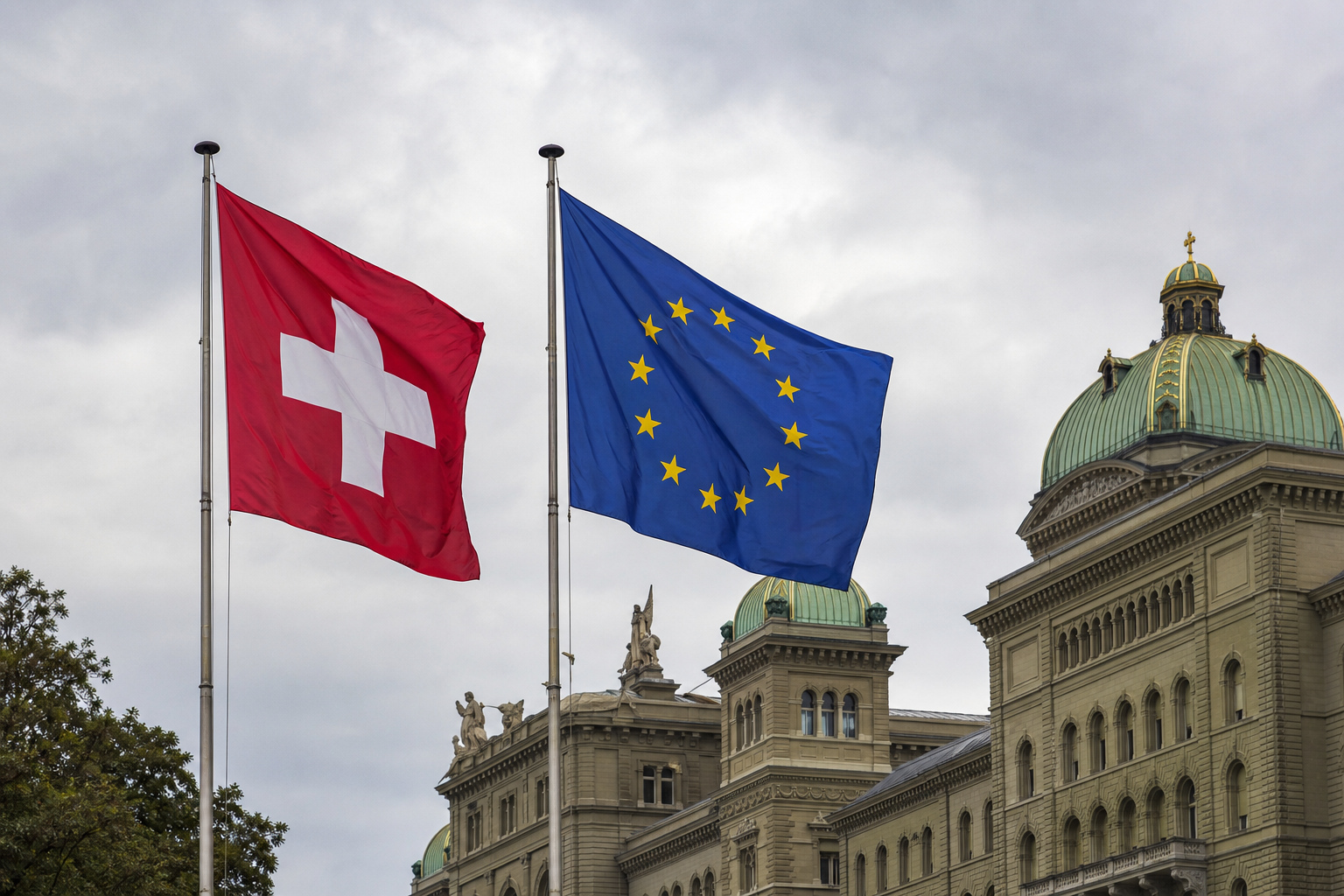
GENEVA. Switzerland's most consequential relationship has settled, after years of frosty exchanges, into something diplomats on both sides now describe, carefully, as calm. Technical consultations with Brussels have run through the summer without incident, joint committees have met on schedule, and the habitual background noise of dispute has faded from the front pages of both capitals. The word appears, with deliberate modesty, in the internal notes of both administrations.
The change of temperature was confirmed in a series of unremarkable meetings, which is precisely the point. Working groups on electricity, food safety and research participation have resumed their calendars, and senior officials in Bern and Brussels have reverted to the unglamorous business of implementation. Customs cooperation, a perennial irritant, produced an agreed minute this month without a single press question. No new flashpoint has emerged since spring, a streak both sides note with superstitious care.
The backstory explains the relief. Earlier in the decade, talks on an overarching institutional framework collapsed after years of negotiation, leaving the web of bilateral accords to age without a mechanism for renewal. Market access frayed at the edges, research cooperation was downgraded, and both sides settled into a managed chill that each blamed on the other. A decade of institutional drift cost Swiss researchers access to flagship European programmes, a wound still being treated.
Bern's motivation for the thaw is practical. Legal certainty is the invisible infrastructure of the Swiss economy, and the Federal Council concluded that uncertainty had become the costlier option. The new approach replaced the single institutional treaty with a broad package of agreements, allowing each file to be defended on its merits rather than as a referendum on Europe itself. The package also gave every domestic constituency a reason to defend some part of the whole.
Reaction has been warmest where the stakes are largest. Business associations on both sides of the border speak of relief, and EU capitals that once lectured Bern now praise its constructive tone. In the Swiss parliament, sceptics warn that dynamic adoption of European law by another name remains dynamic adoption, and the cantons, formally consulted, are watching the fine print on wage protection. The unions have reserved judgement pending the annexes on posted workers.
The numbers define what is being calmed. Trade across the relationship runs to several hundred billion francs a year; the European Union absorbs roughly half of Swiss exports, and well over a million EU citizens live and work in Switzerland. Daily cross-border commuters number in the hundreds of thousands, sustaining regional economies on both sides. Few relationships of comparable depth anywhere are governed by treaty architecture this intricate.
“We have moved from negotiation to maintenance,” said a senior Swiss diplomat. “It is less dramatic, and it is where these agreements actually live.”
The complications have not vanished; they have changed costume. Ratification procedures on both sides are exacting, a Swiss referendum is widely assumed, and immigration politics retain the capacity to ignite files that technocrats consider settled. One cantonal government has already instructed its lawyers to model the referendum campaign. Calm, diplomats concede, may prove to be the quiet preceding the domestic campaign rather than the end of the argument.
The calendar is set in outline. Signature of the package is expected to be followed by parliamentary debate in Bern over the coming year, with the internal approval process in Brussels running in parallel. A joint committee calendar for the first implementation year has been drafted down to the week. Officials speak of an implementation horizon measured in years, and of review clauses designed to keep the machinery serviced.
For Swiss foreign policy, the bilateral way remains the backbone of the European vocation: membership refused, integration purchased by treaty. The calmer phase suggests the model can absorb even a breakdown and resume, which matters beyond one relationship. Small states everywhere watch how Switzerland manages proximity without membership, and draw their own conclusions.
Officials in Bern resist triumphalism with unusual discipline. Diplomats, being diplomats, have scheduled the next technical round before anyone could object. Calm, in this relationship, is a working condition rather than a destination. The treaties will now be tested by budgets, borders and ballots, and the truest measure of the thaw will be whether anyone, in five years, still finds the file interesting enough to fight about.